Login
Login Chart
Chart


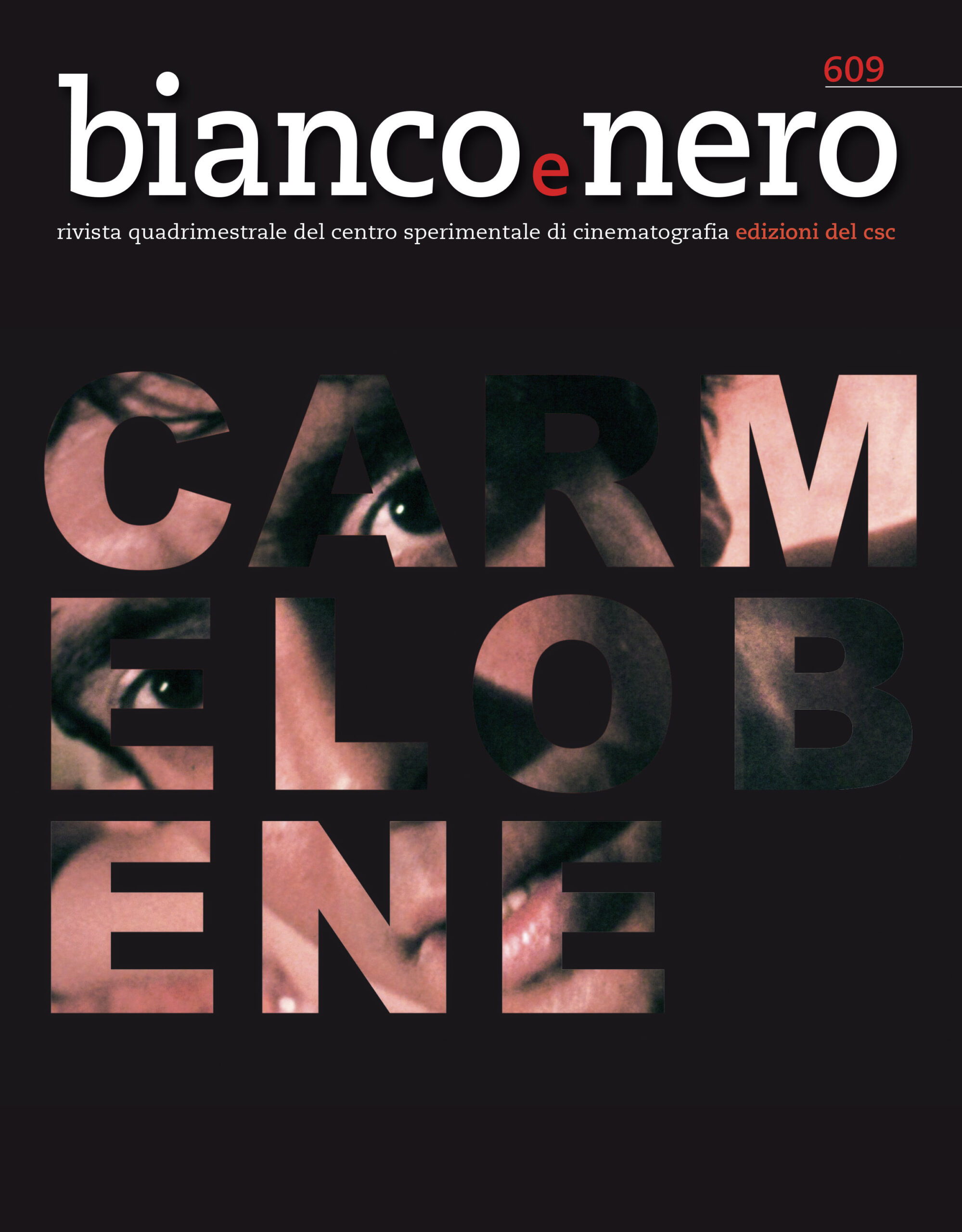
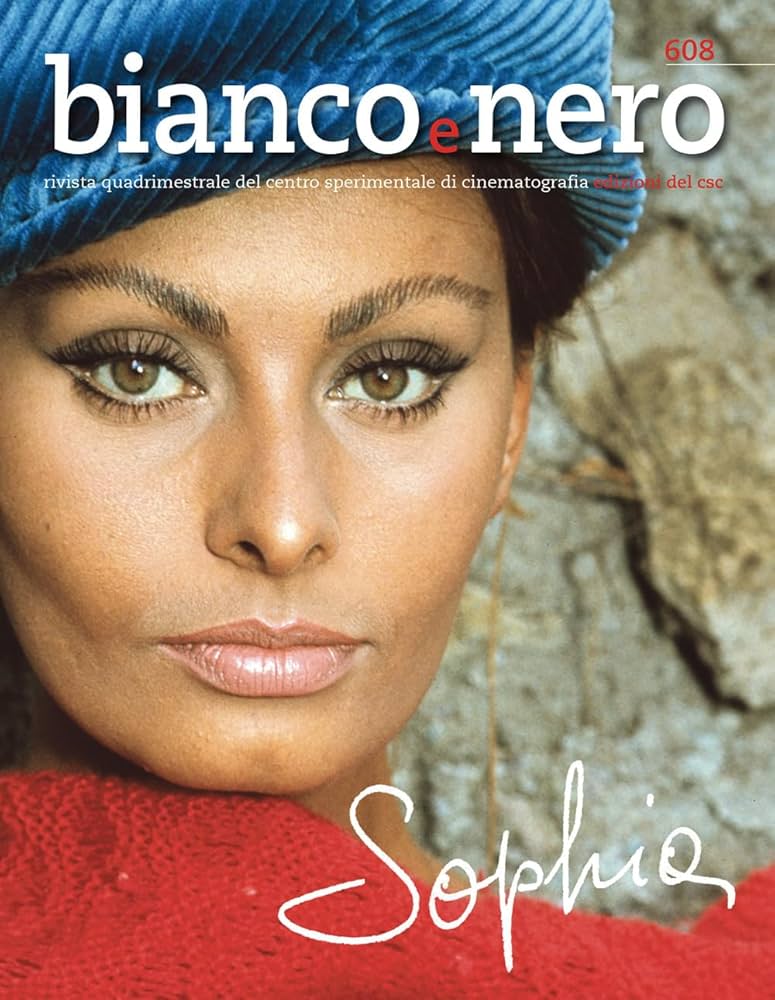
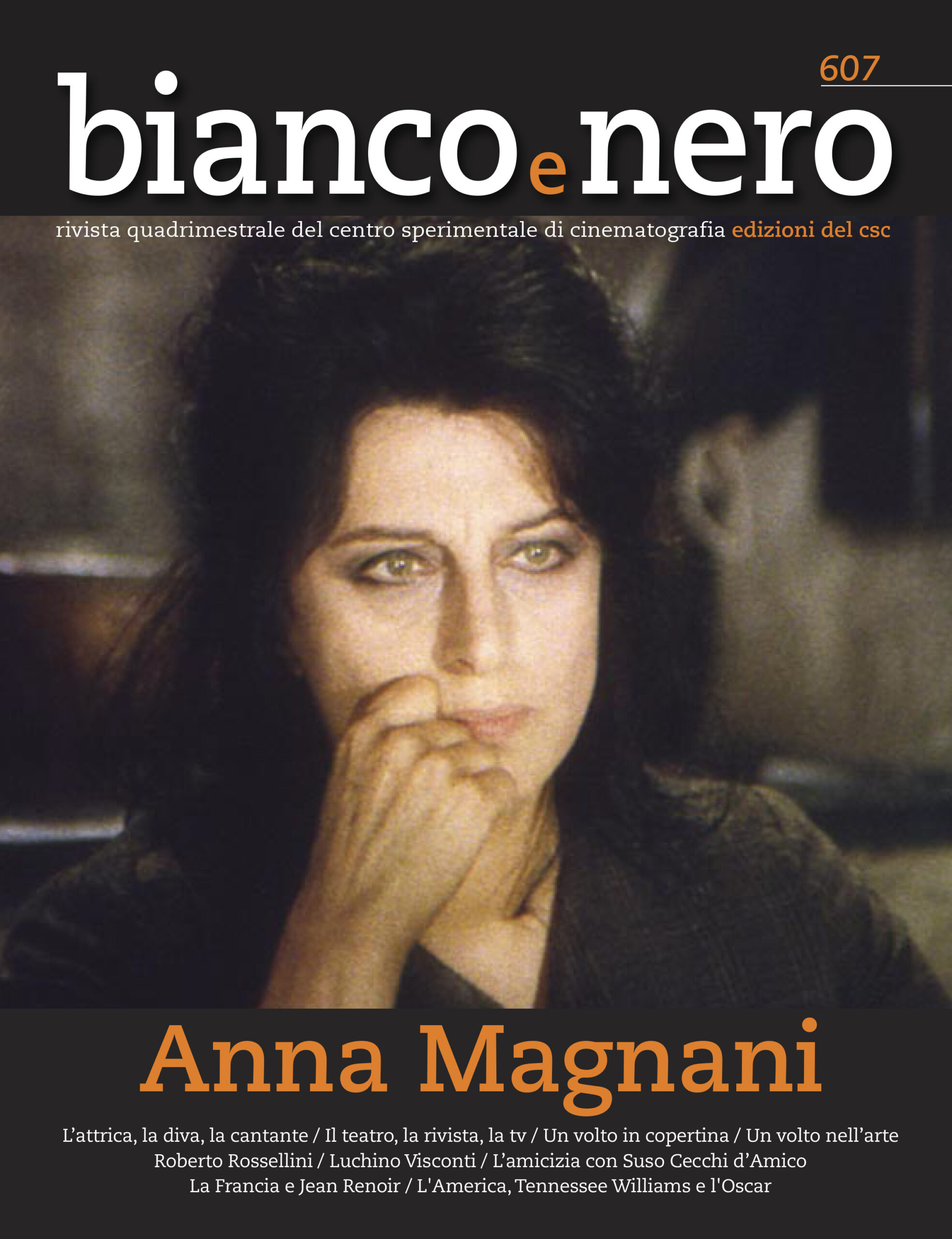
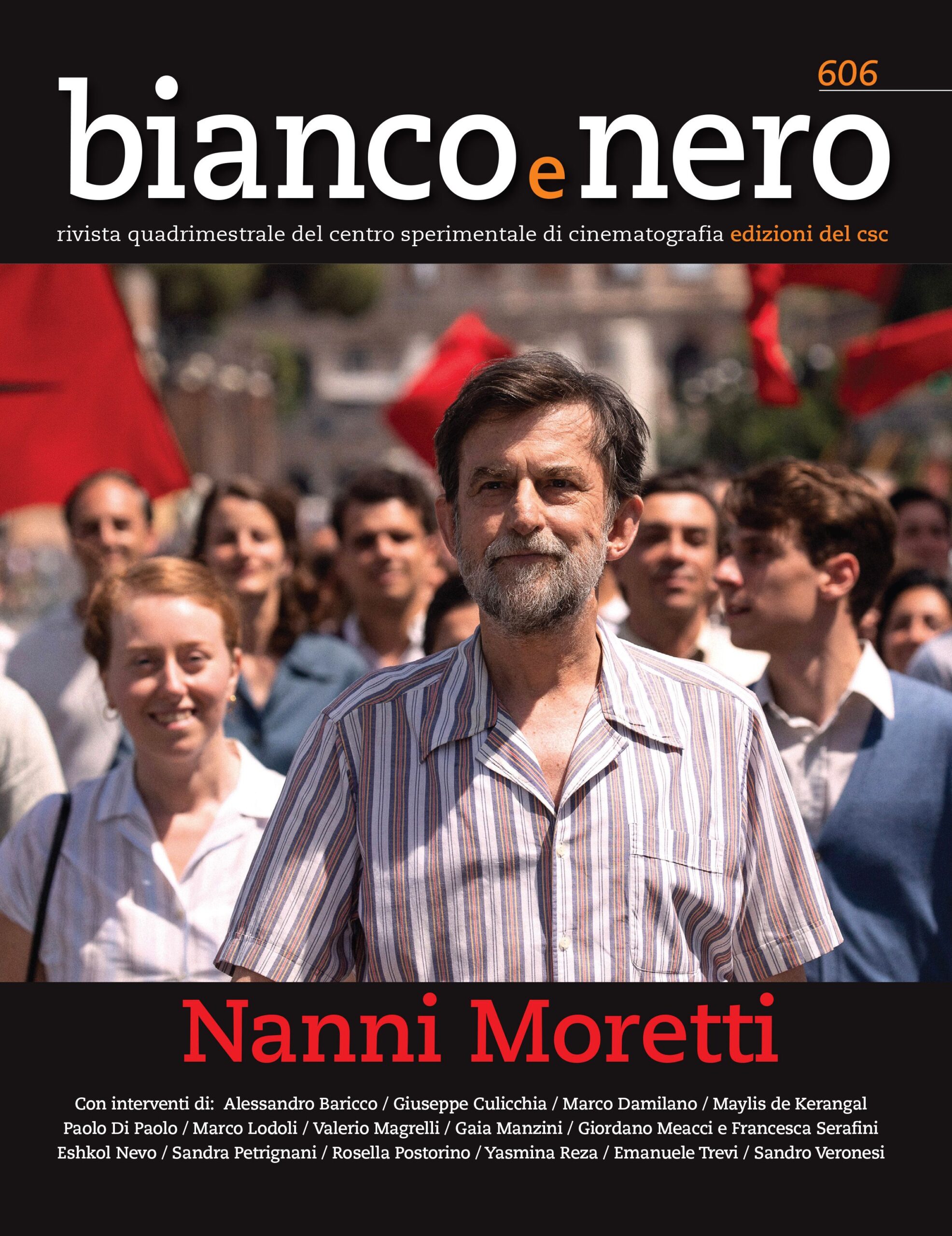
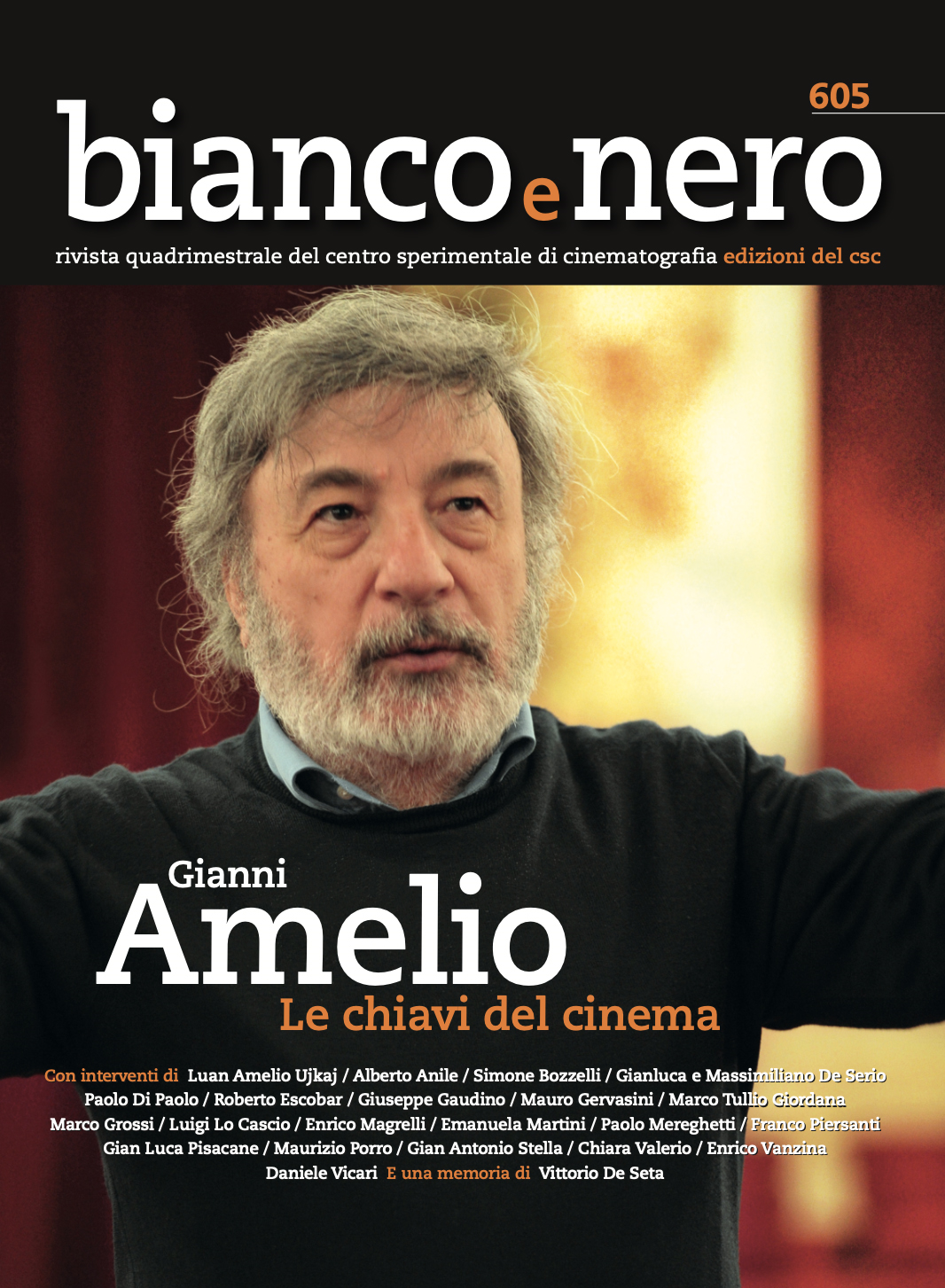
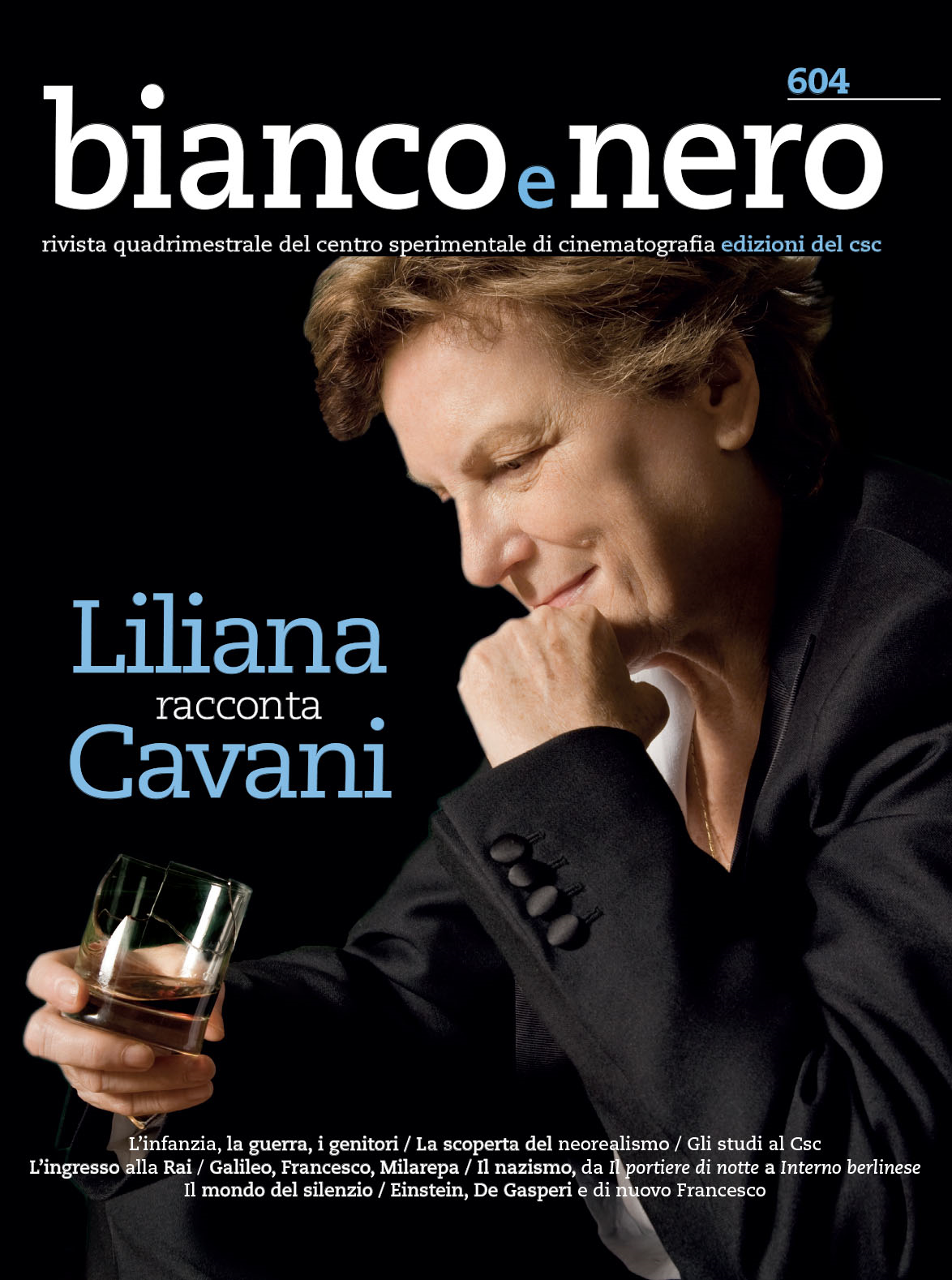
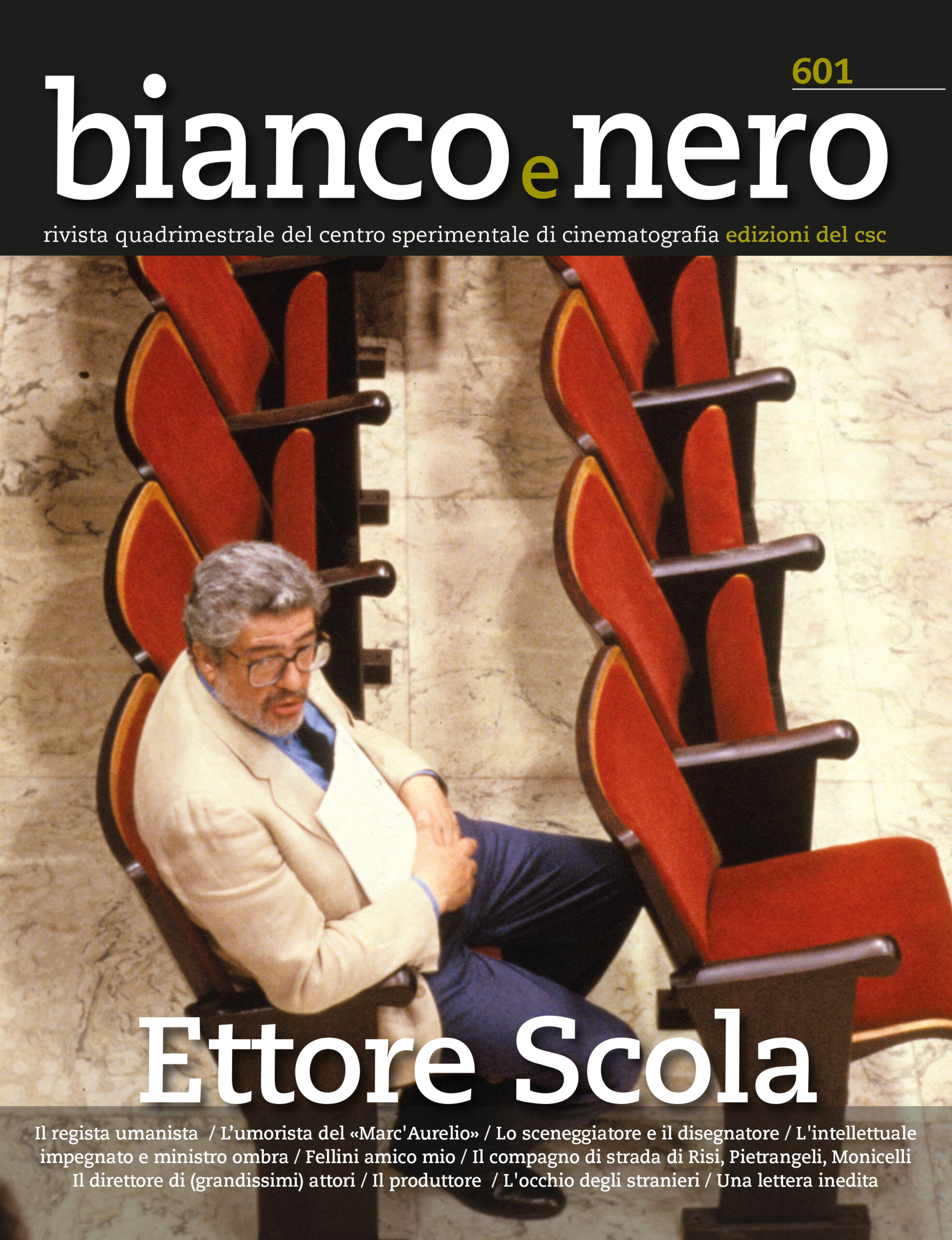
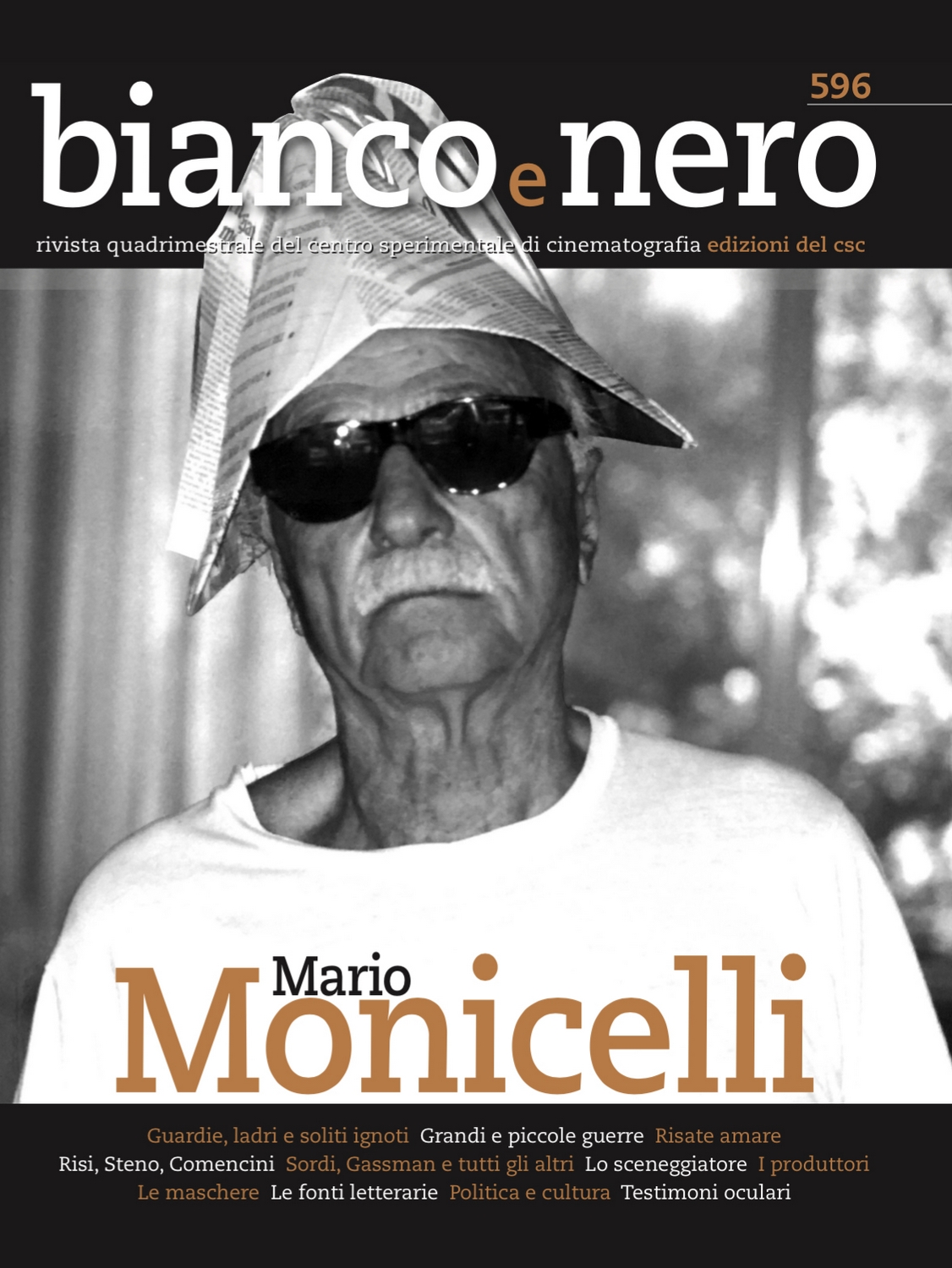
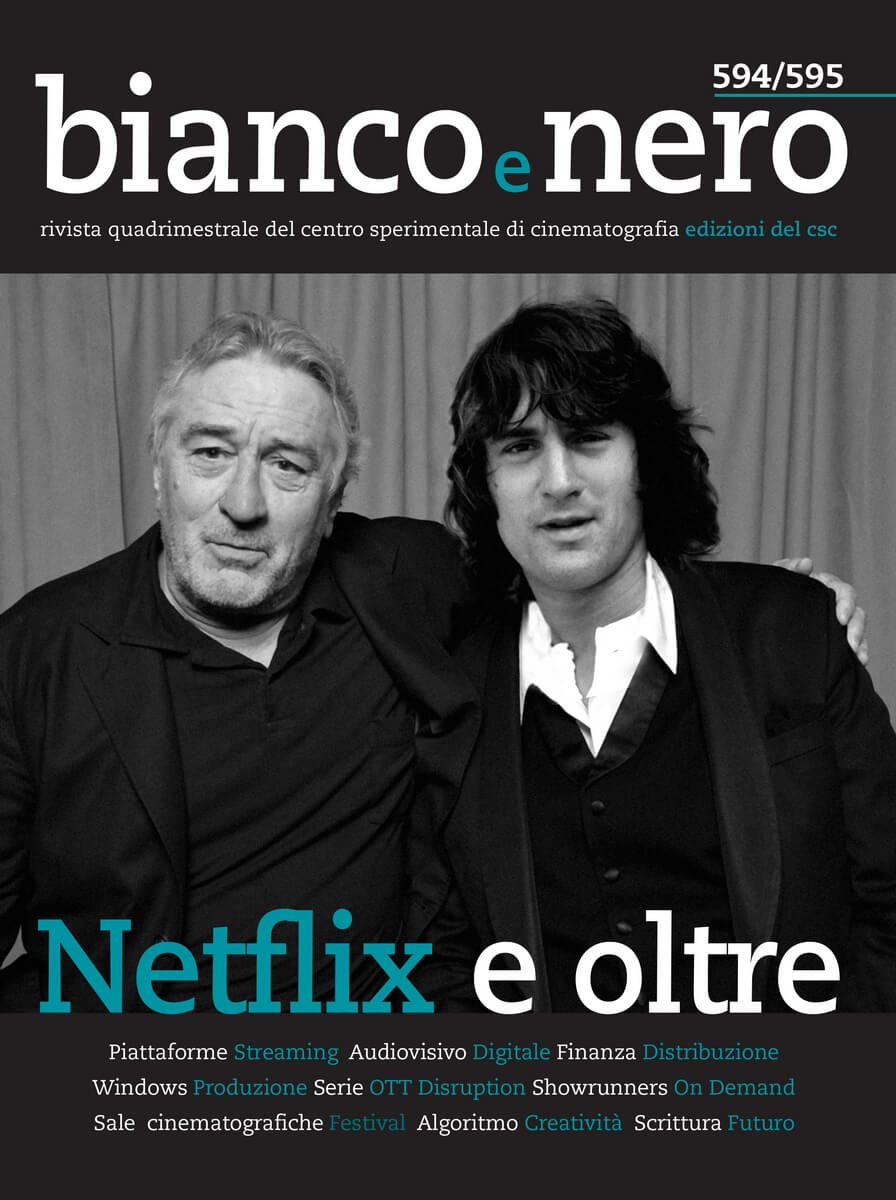
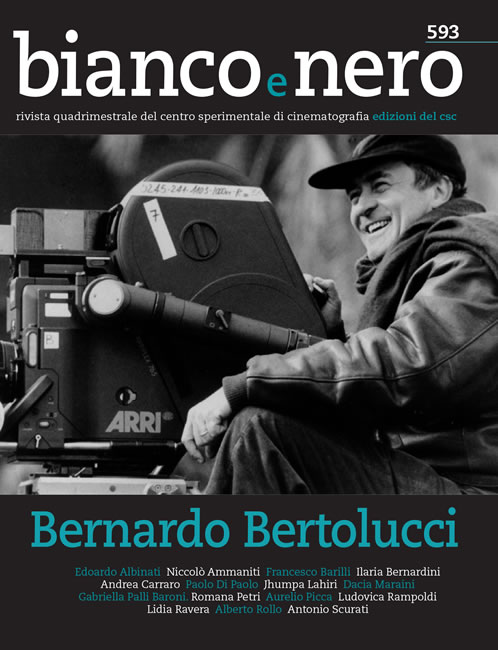
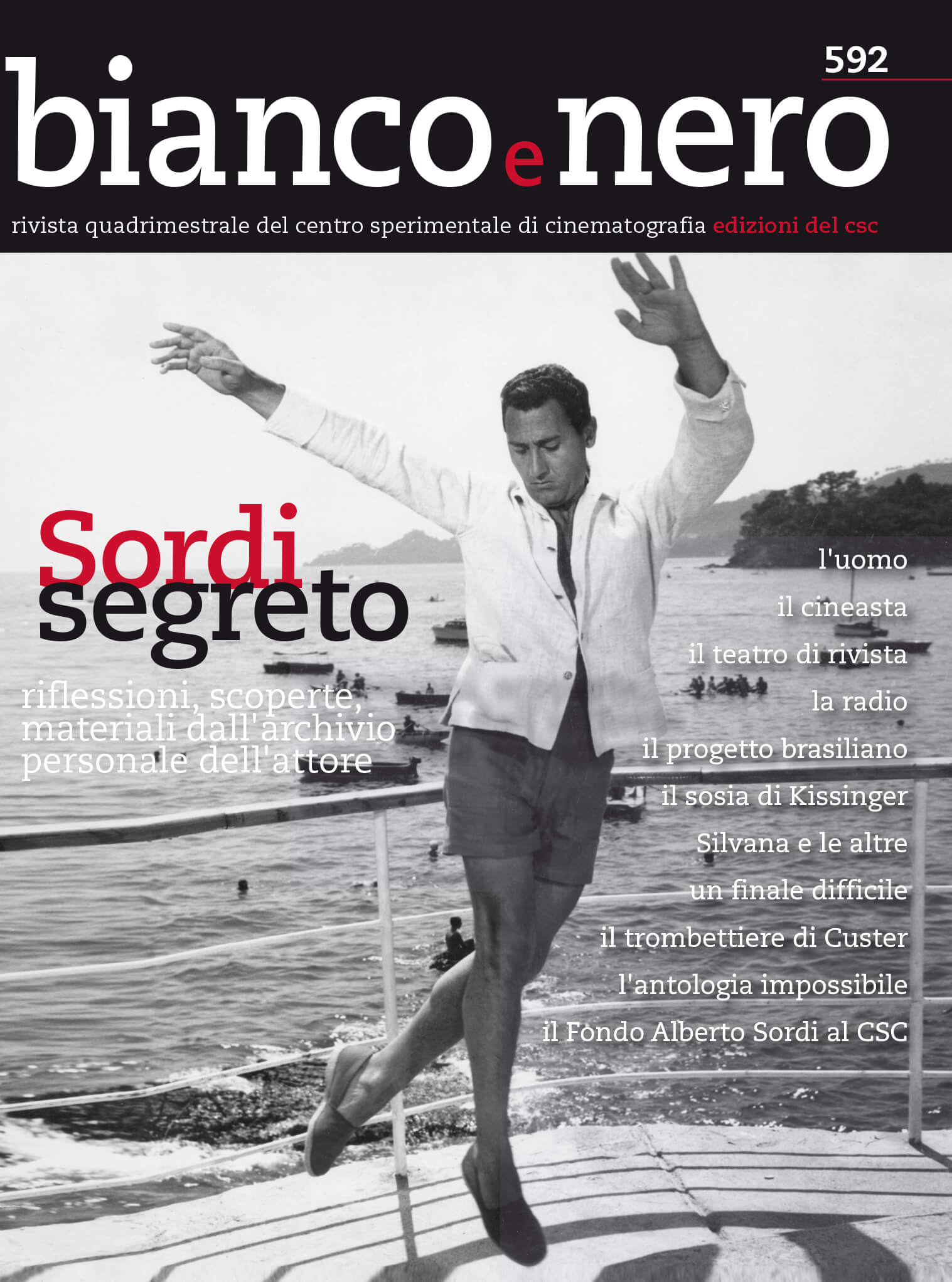
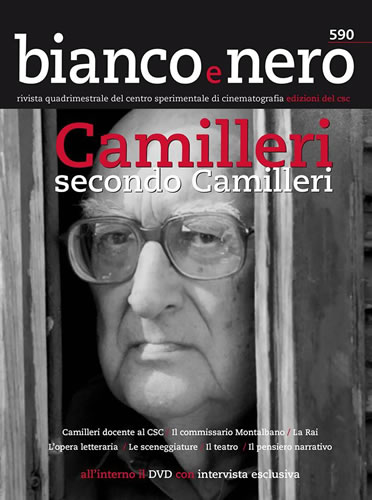
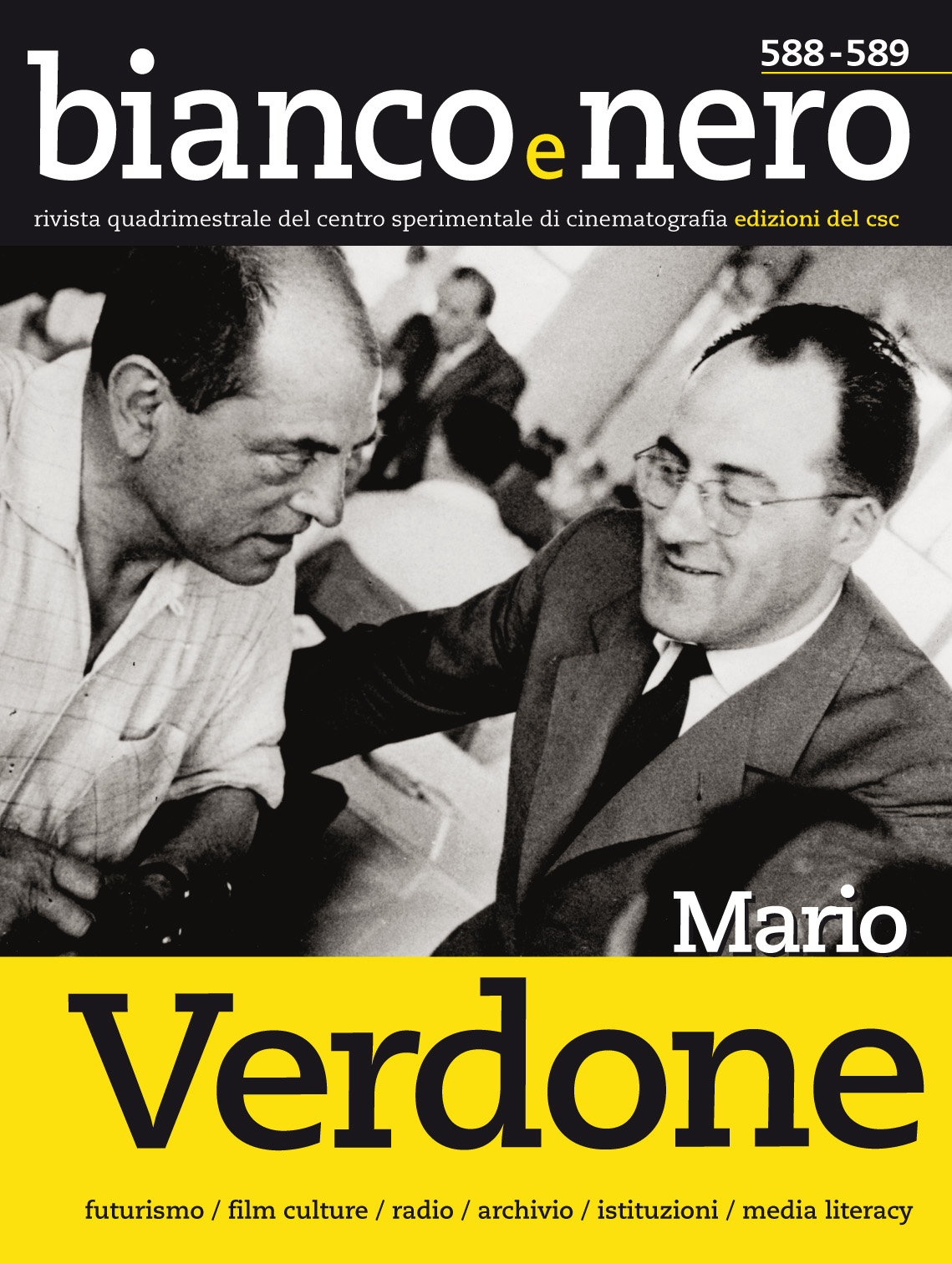
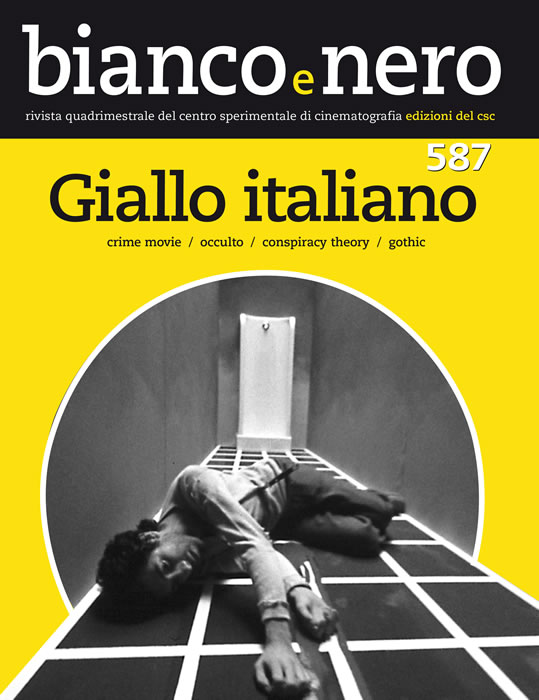
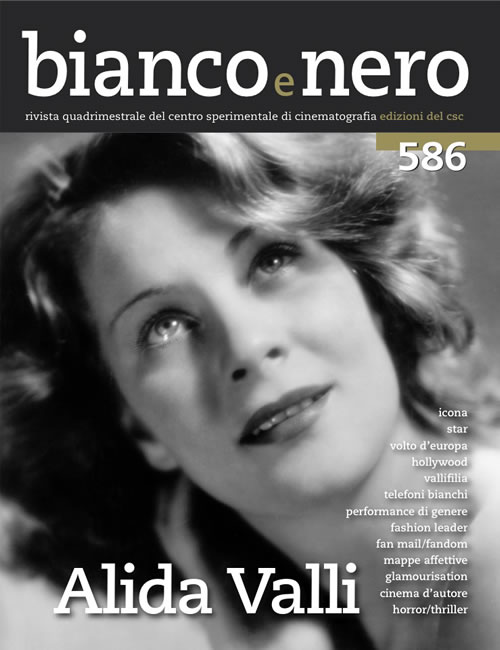
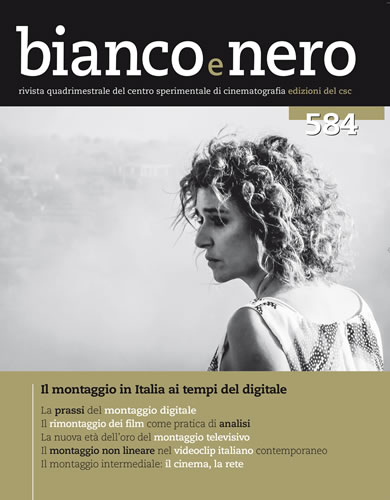
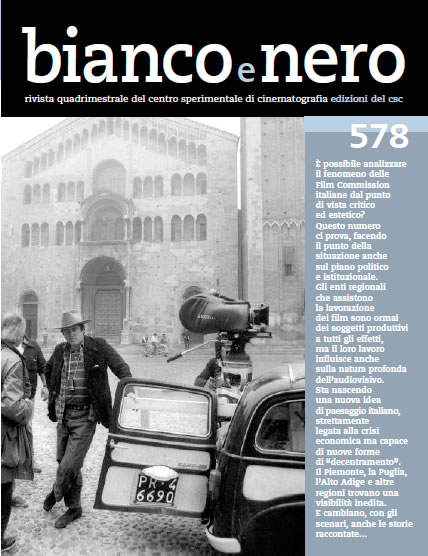
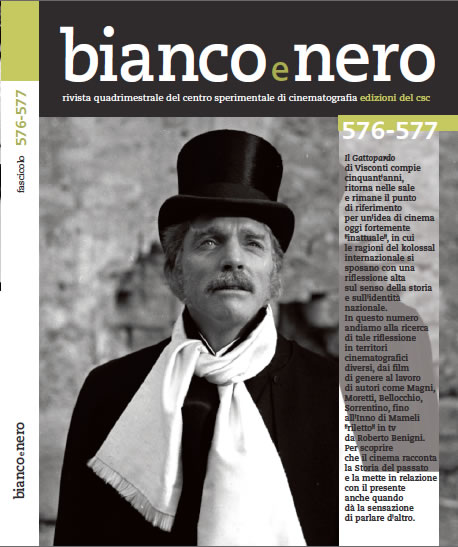
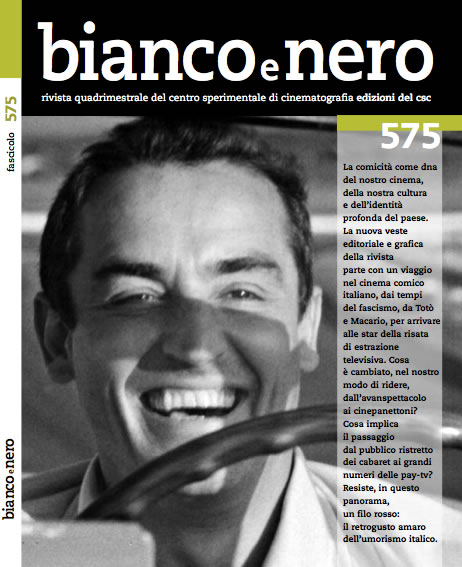
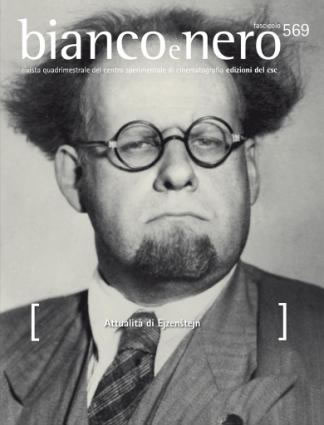
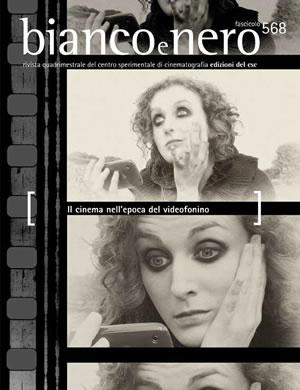
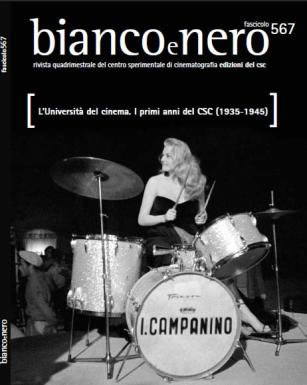
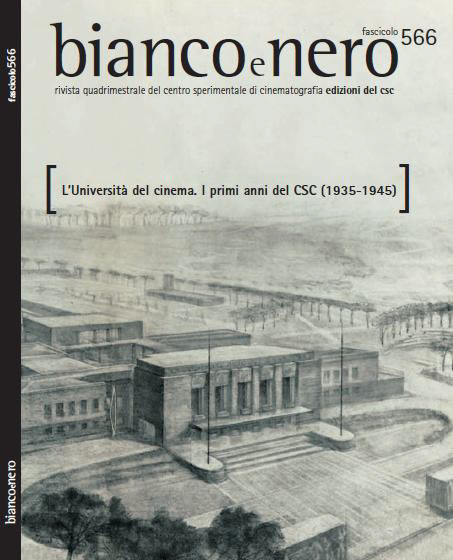
Bianco e Nero
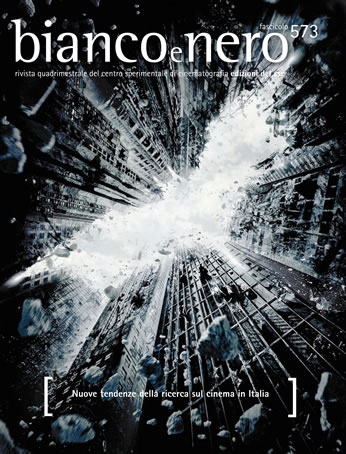
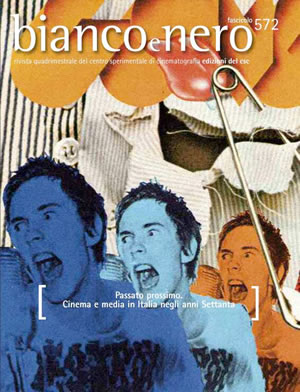
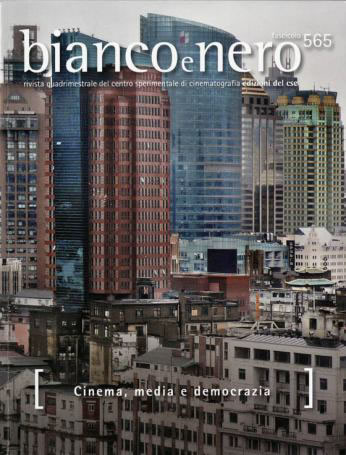
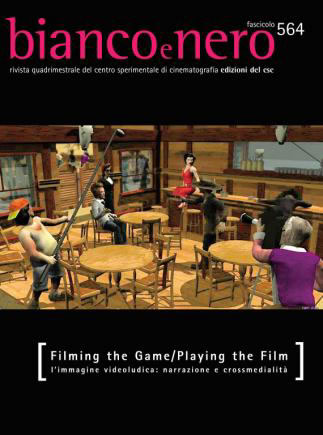
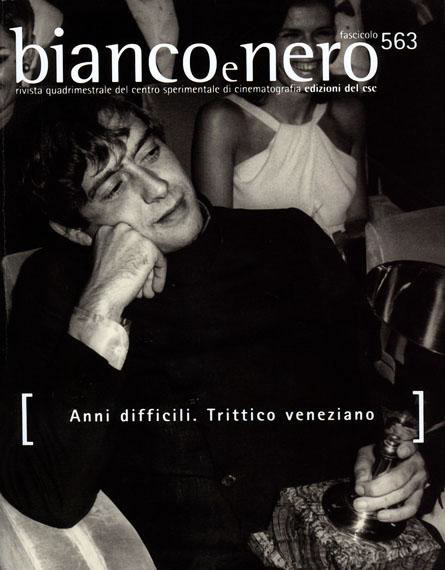
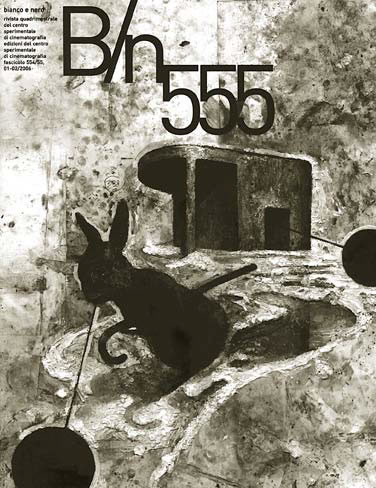
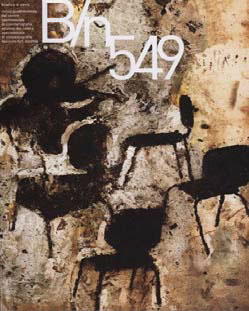
Founded in 1937, “Bianco e Nero” can boast the title of the oldest and longest-running film studio magazine born in Italy.
The list of directors and collaborators, starting from the distant years and up to more recent times, is dotted with illustrious names, which have guaranteed and guarantee the value and originality of the contributions, essays and headings that are found among its pages.
Between 1944 and 1946, Bianco e Nero, like the Centro Sperimentale di Cinematografia itself, was disrupted by war and occupation. However, a year and a half after the Liberation, in 1947, both the Centre and its journal resumed their activities. Since then, despite periods of change and difficulty, publication has never truly been interrupted.
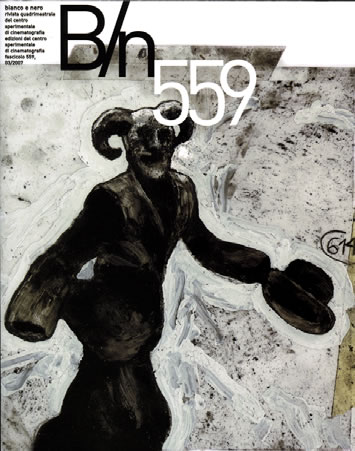
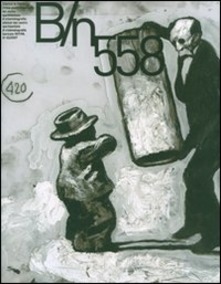
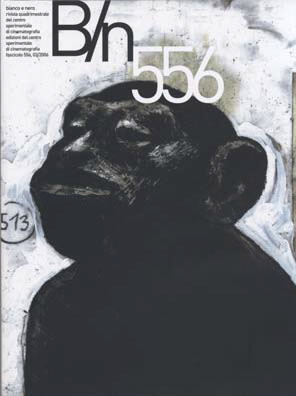
Over the years, the journal has undergone numerous changes in graphic design, publication frequency and editorial orientation. Yet, within both the Italian and the international landscape, it has remained the best-known, most prestigious and most established periodical devoted to cinema.
In 1996, after several years during which it had been published as a series of monographic volumes on Italian silent cinema, edited by Vittorio Martinelli and Aldo Bernardini, the journal resumed publication as a quarterly under the editorship of Orio Caldiron. In 1999, reflecting the significant institutional transformation of the Centro Sperimentale di Cinematografia from a public body into a private-law foundation, it became a bimonthly journal under the editorship of Lino Miccichè.
In 2003, under the editorship of Leonardo Quaresima, Bianco e Nero underwent a further redesign and returned to a four-monthly publication schedule. At the same time, it reaffirmed its commitment to rigorous film scholarship and strengthened the relationship between two centres of excellence: the Centro Sperimentale di Cinematografia and Italian universities. The journal was subsequently edited by Mariapia Comand, Felice Laudadio and Alberto Crespi. It is currently edited by Giulio Sangiorgio.
Faithful to its tradition, Bianco e Nero aims above all to be a journal of advanced film studies, with particular attention to Italian cinema. While remaining attentive to current developments in cinema and media, it is neither detached from them nor constrained by them. Its primary focus is on historical, critical, theoretical, philological, archival and bibliographical research, seeking to transform contemporary events—films, books, festivals and other cultural phenomena—into opportunities for reflection that extend beyond immediate circumstances and beyond the limits of current affairs.