Login
Login Chart
Chart





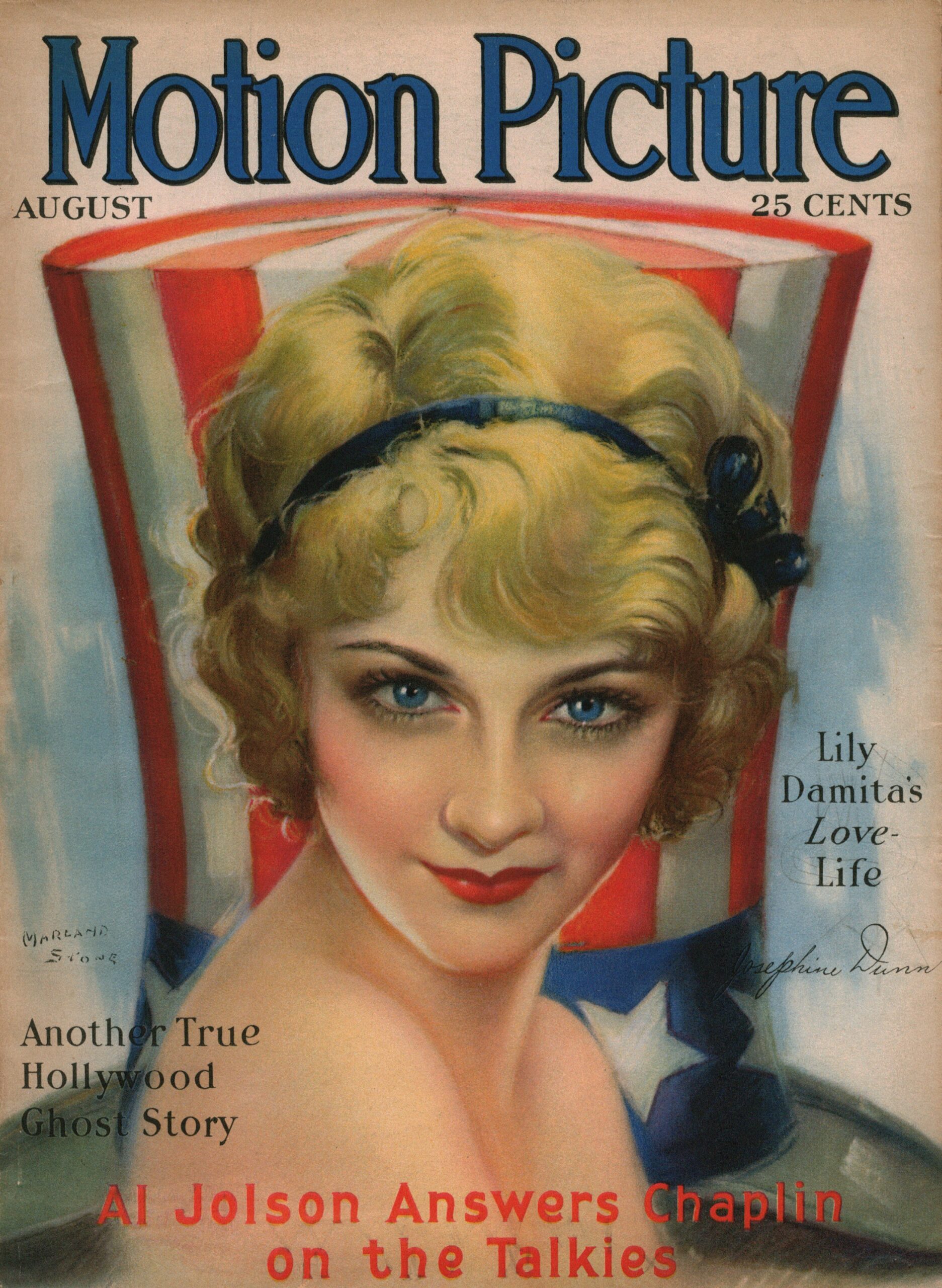
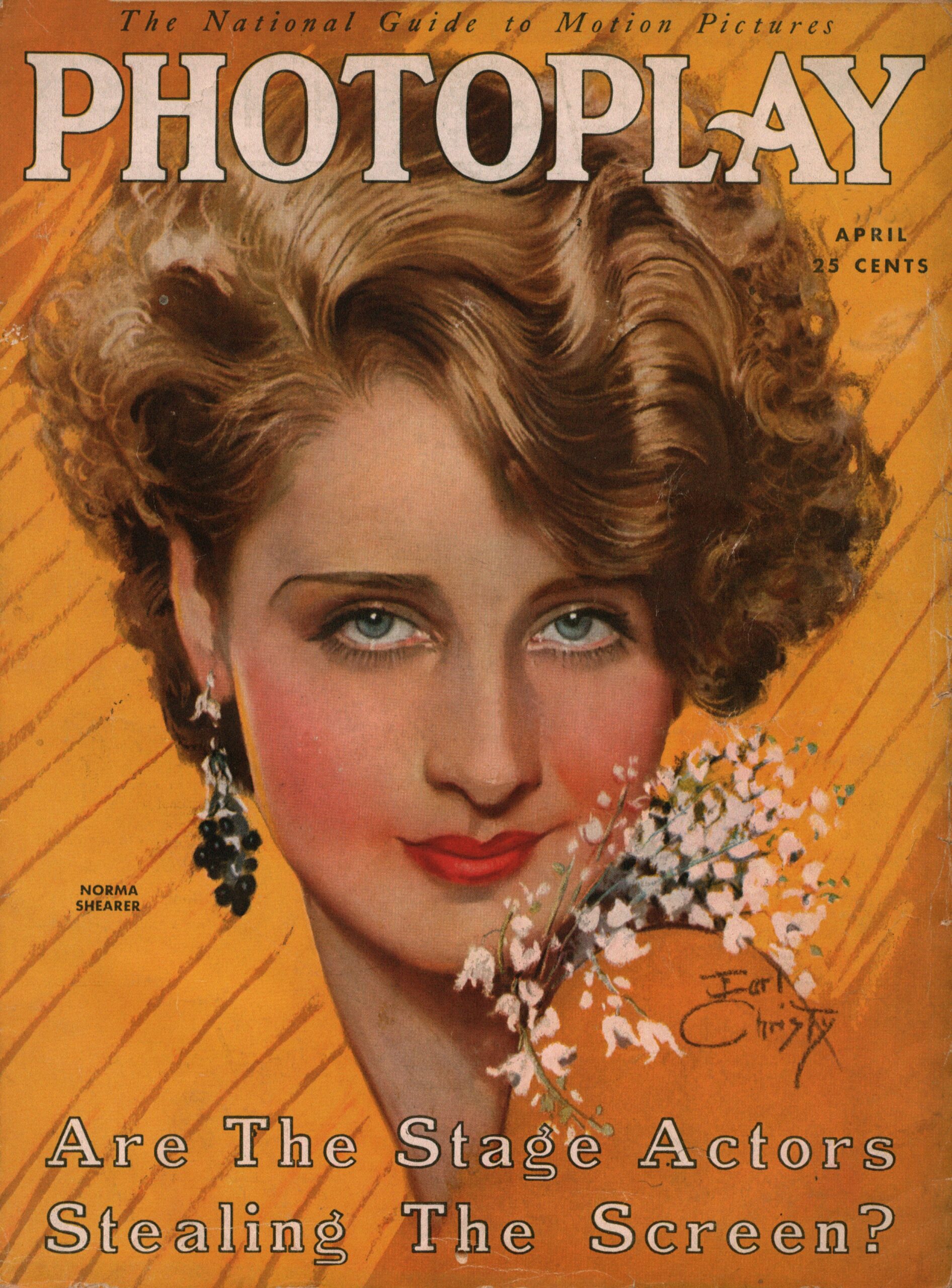
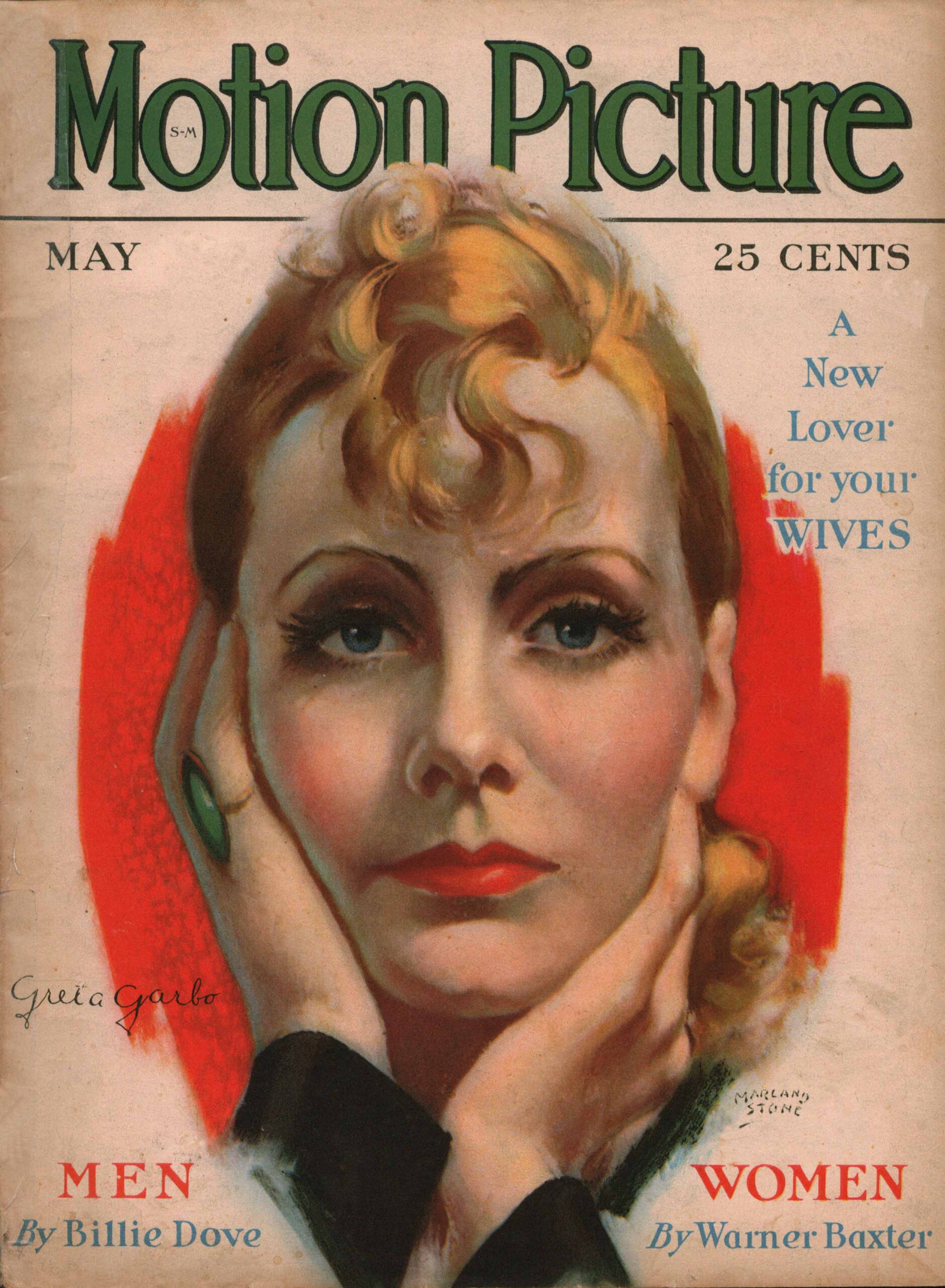
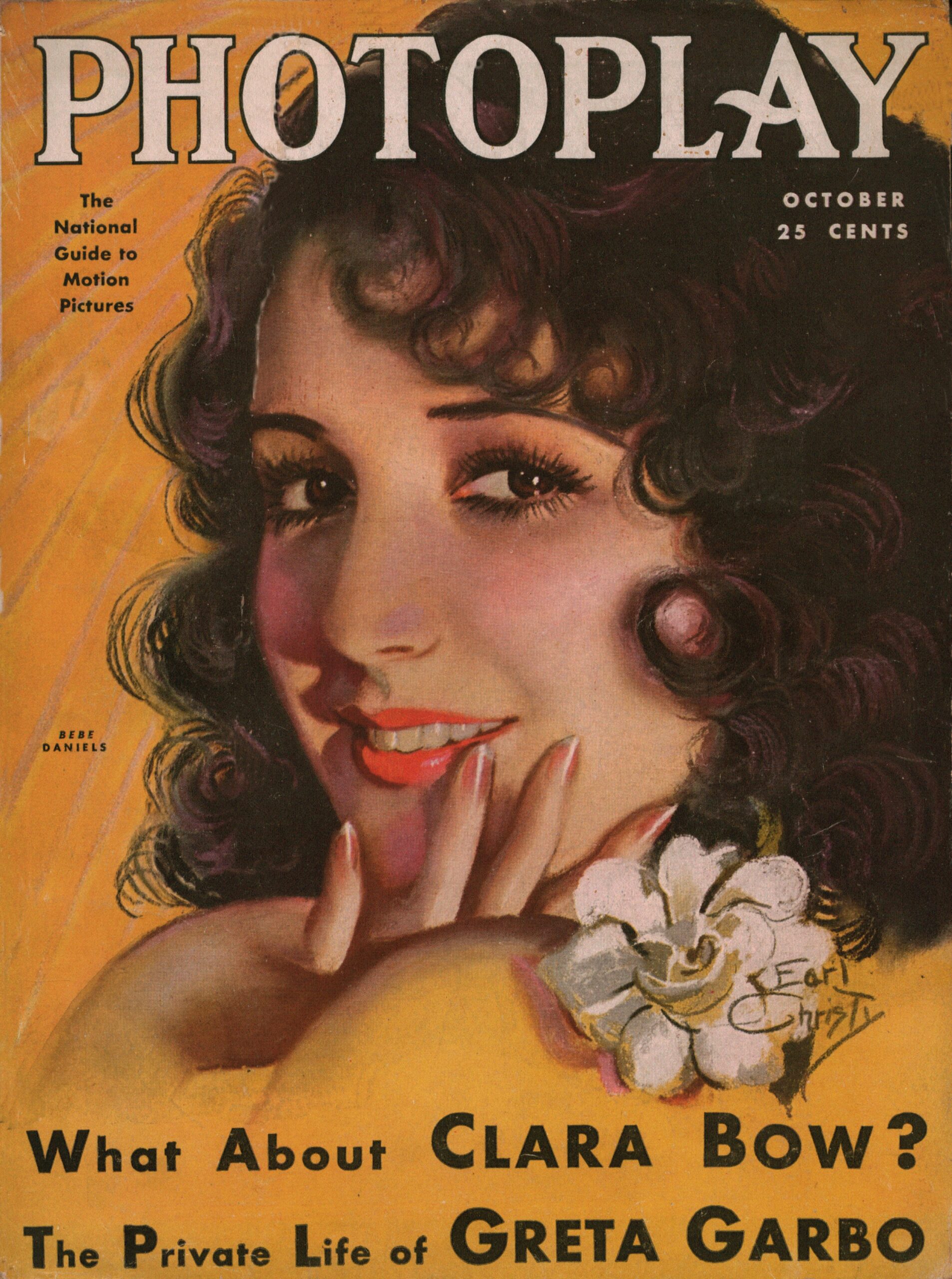
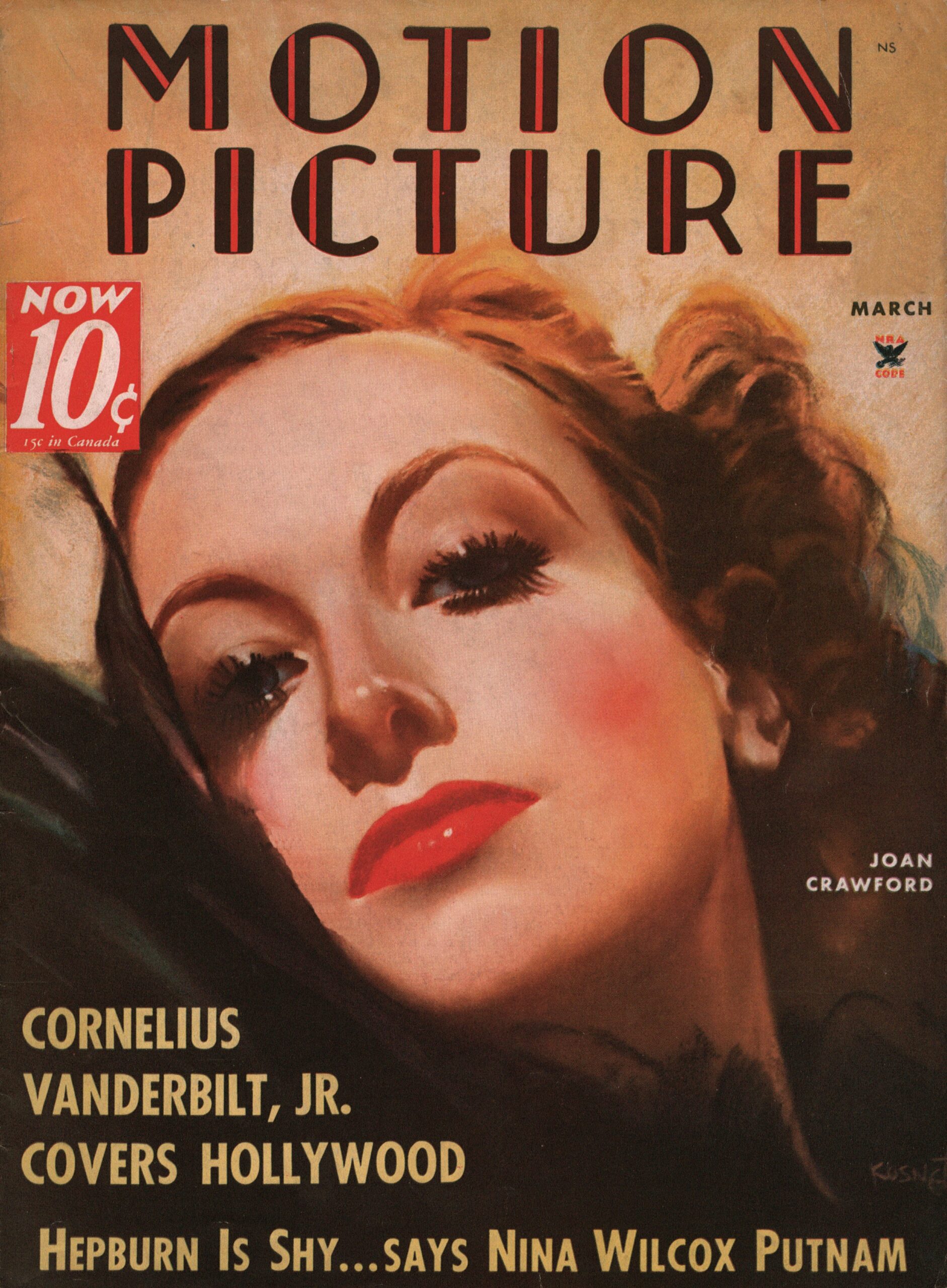
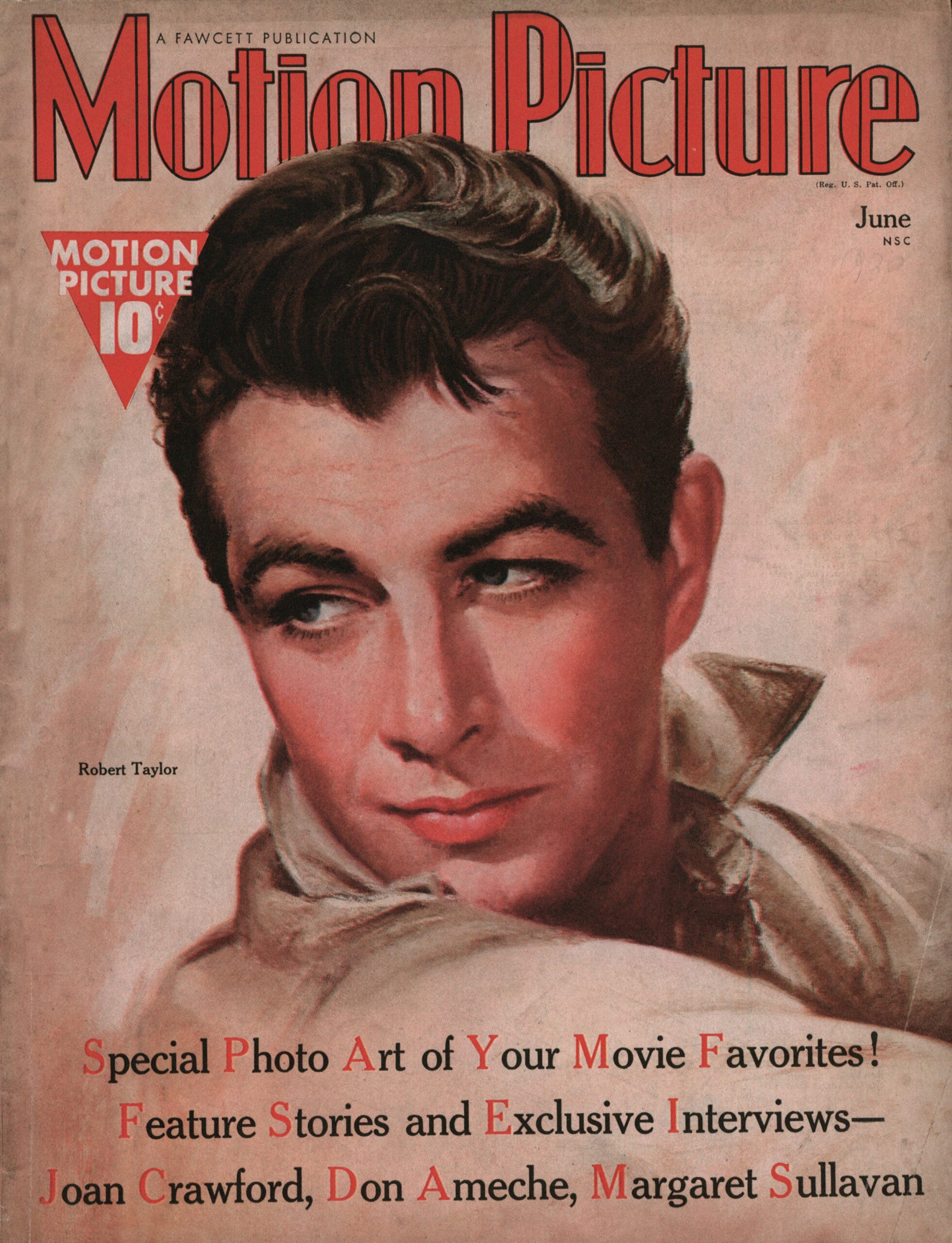
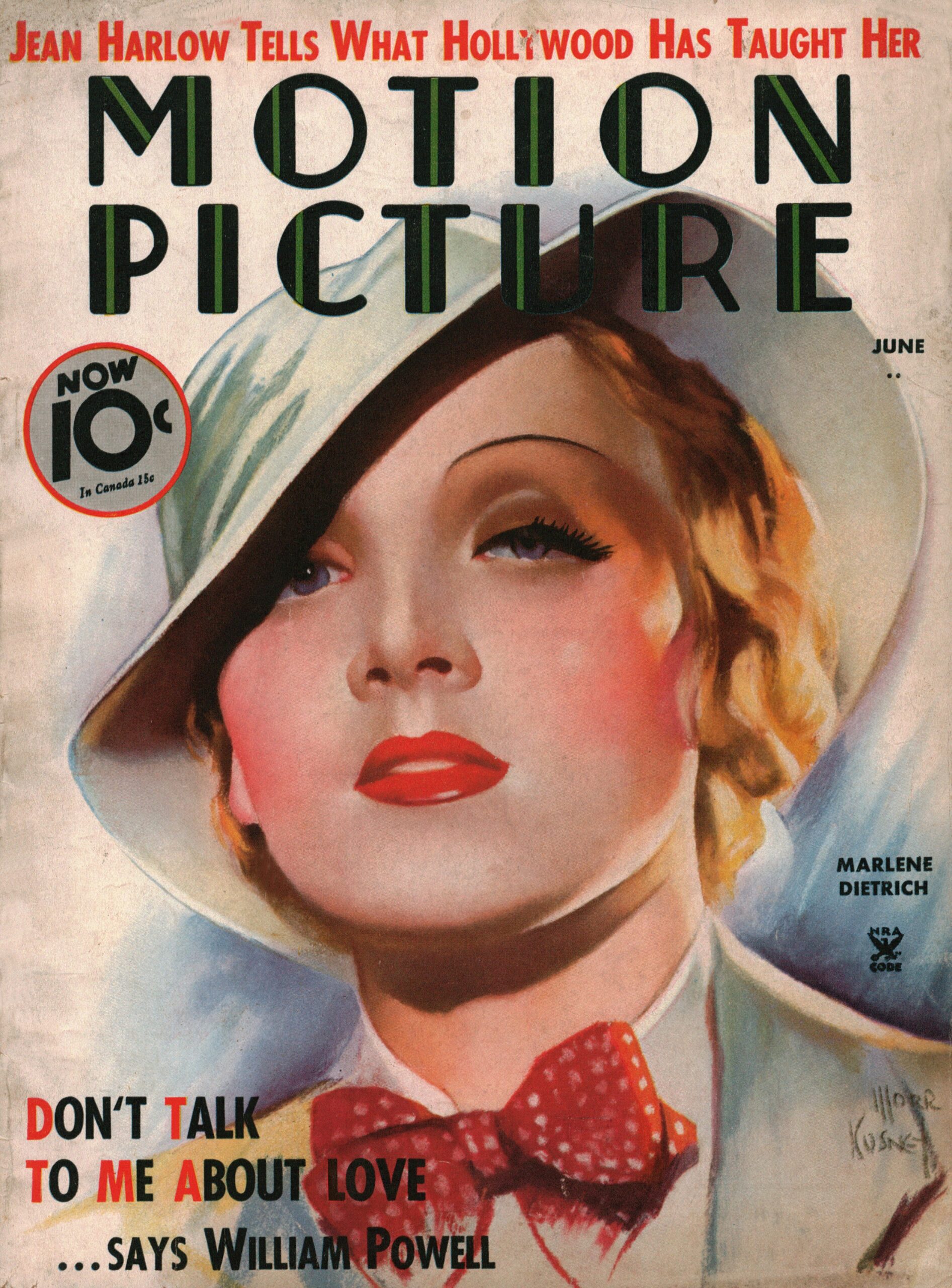
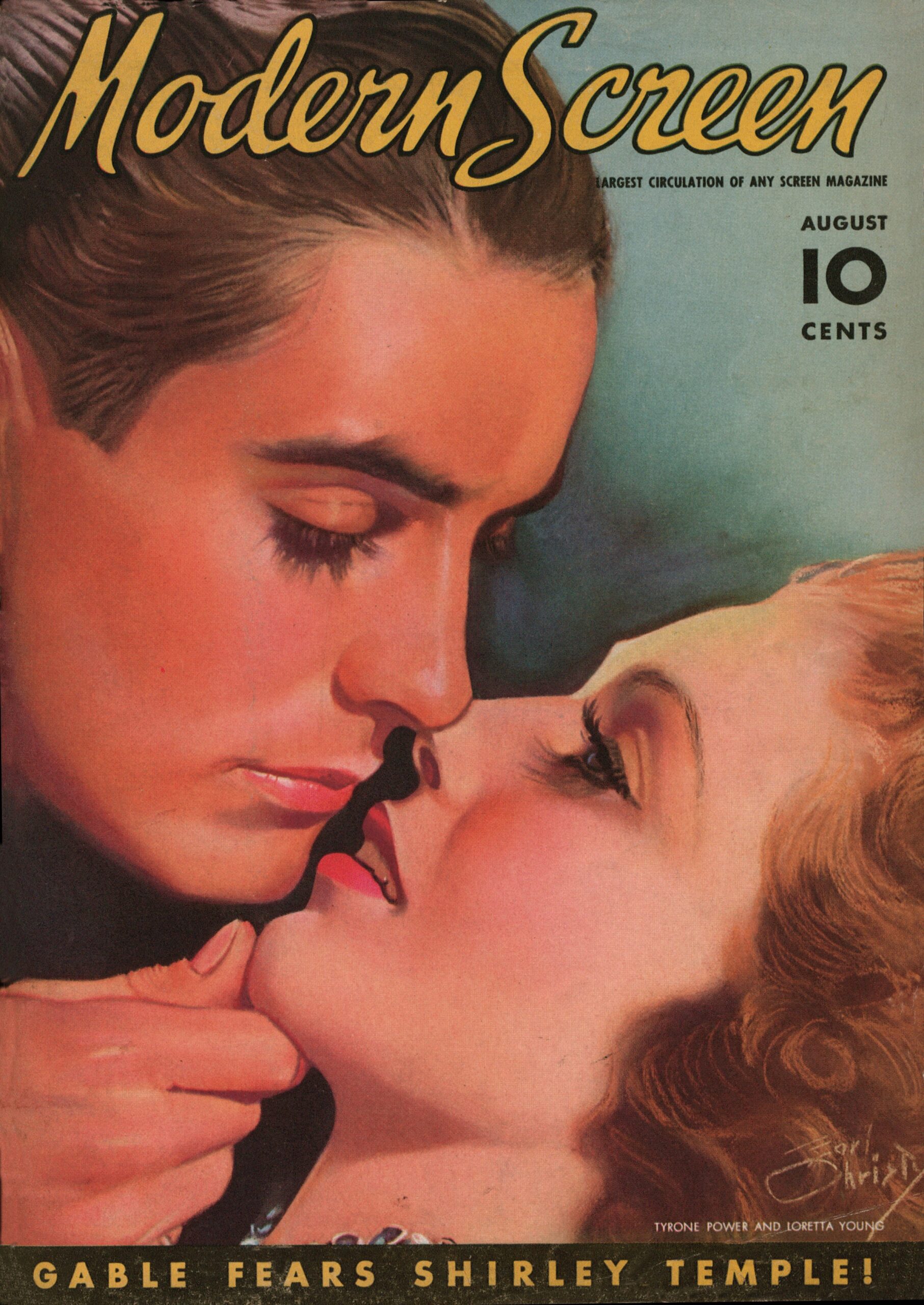
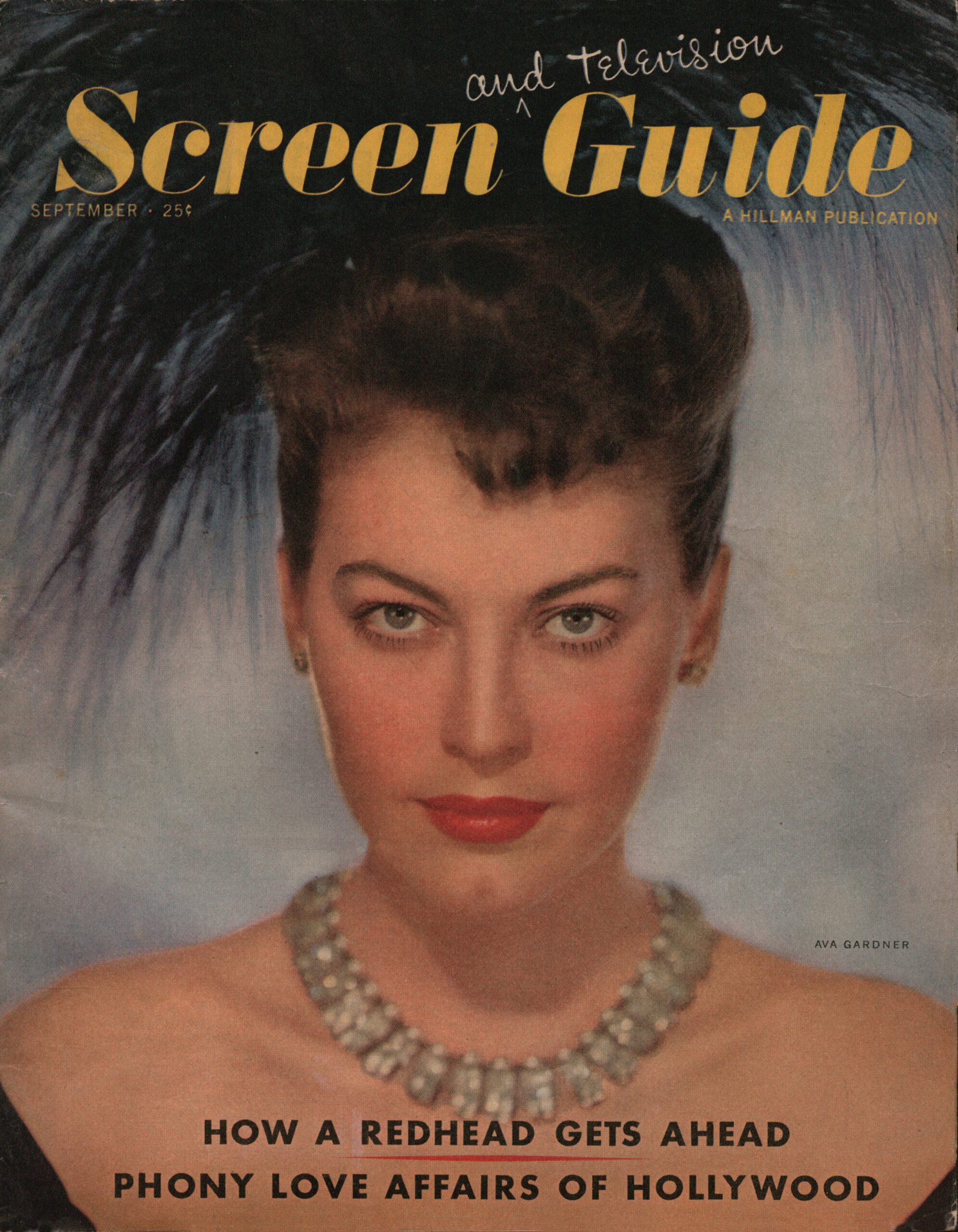
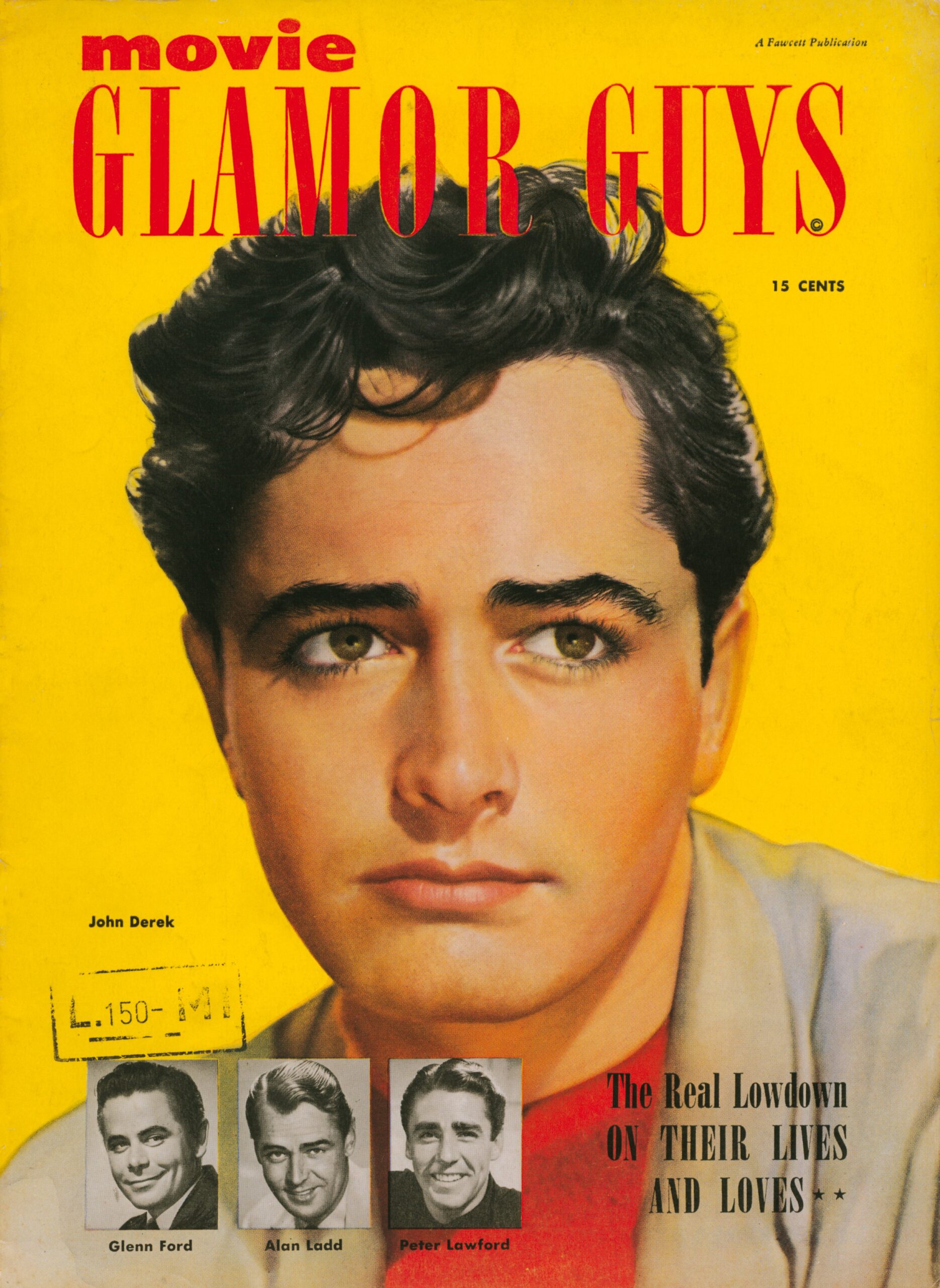
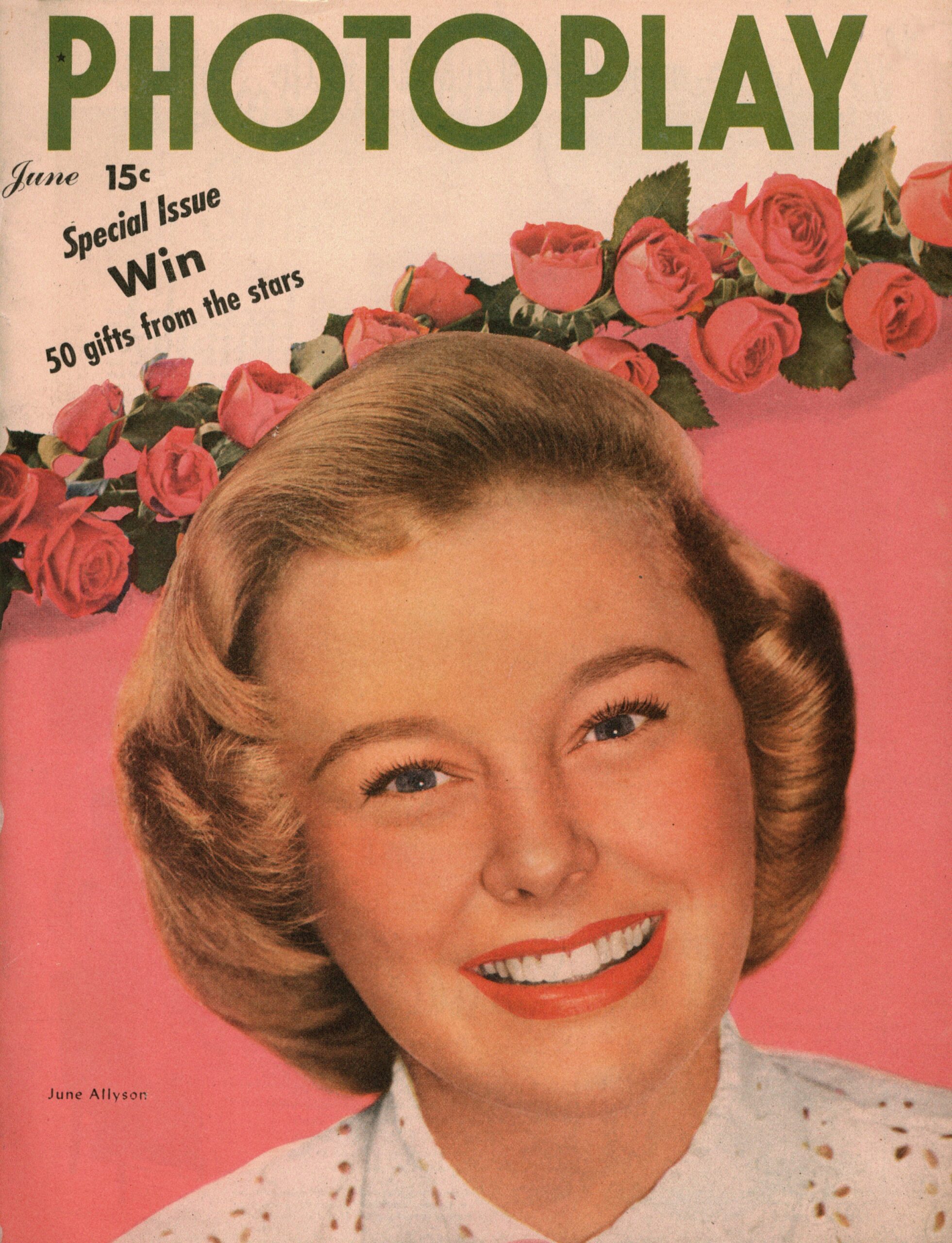
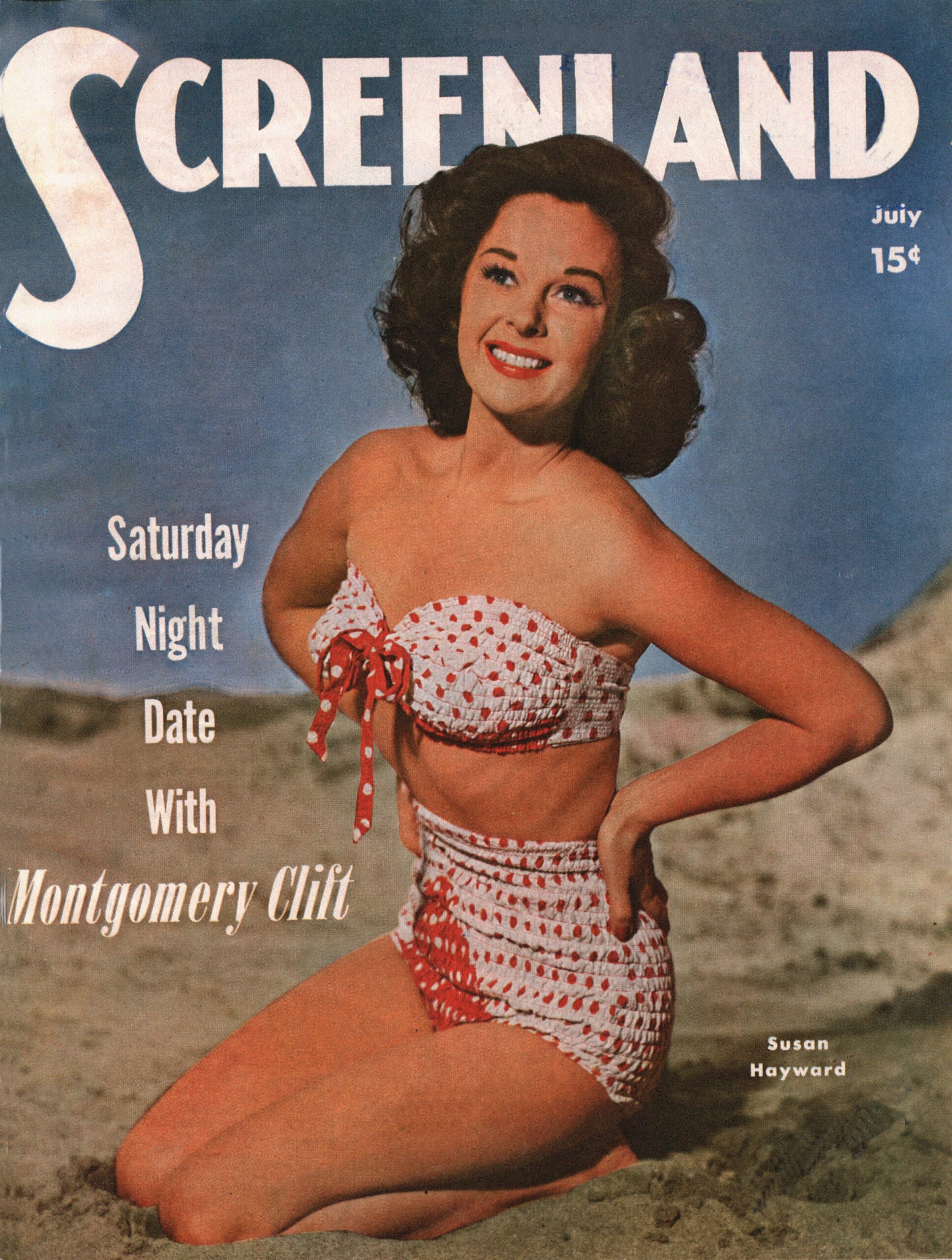
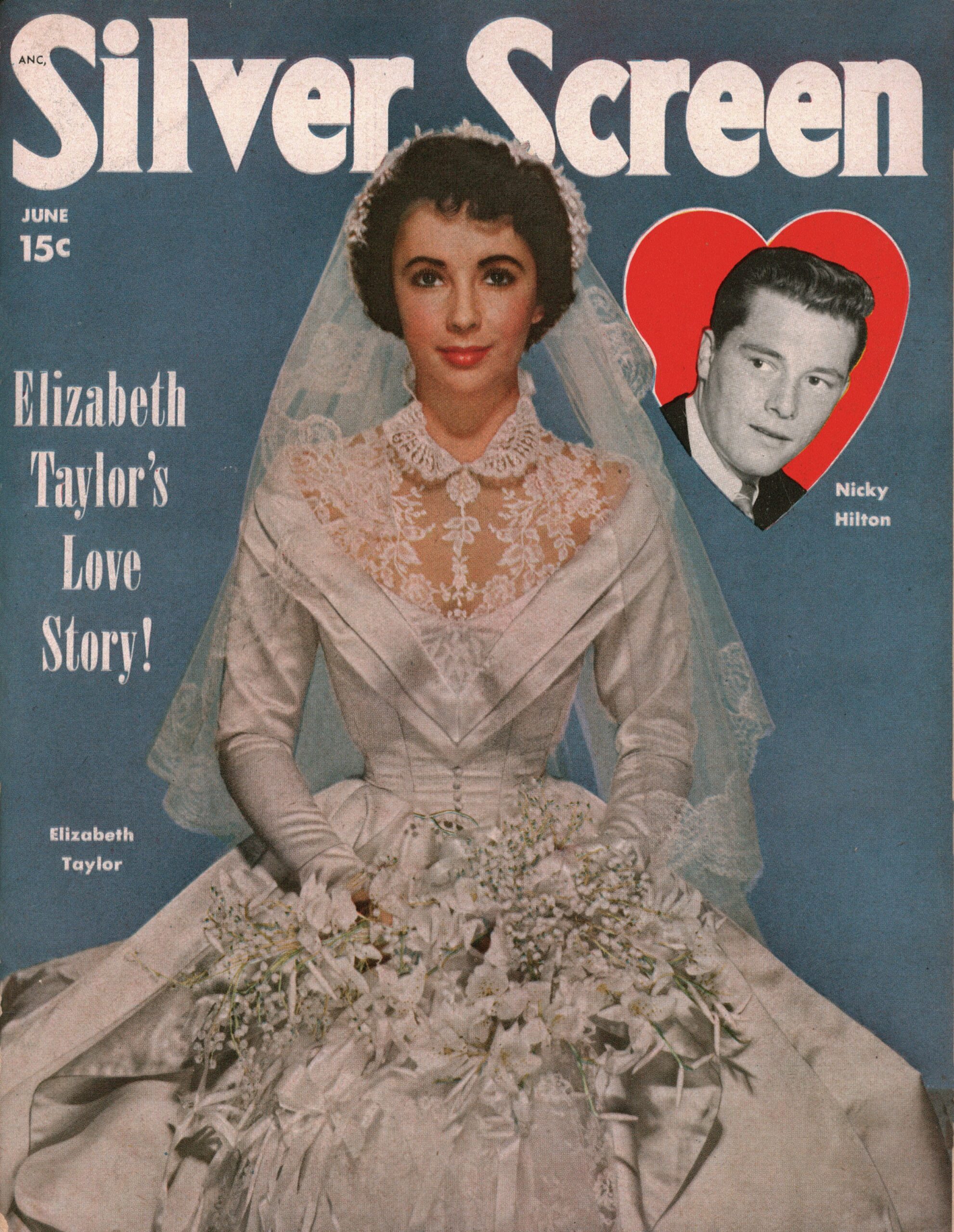
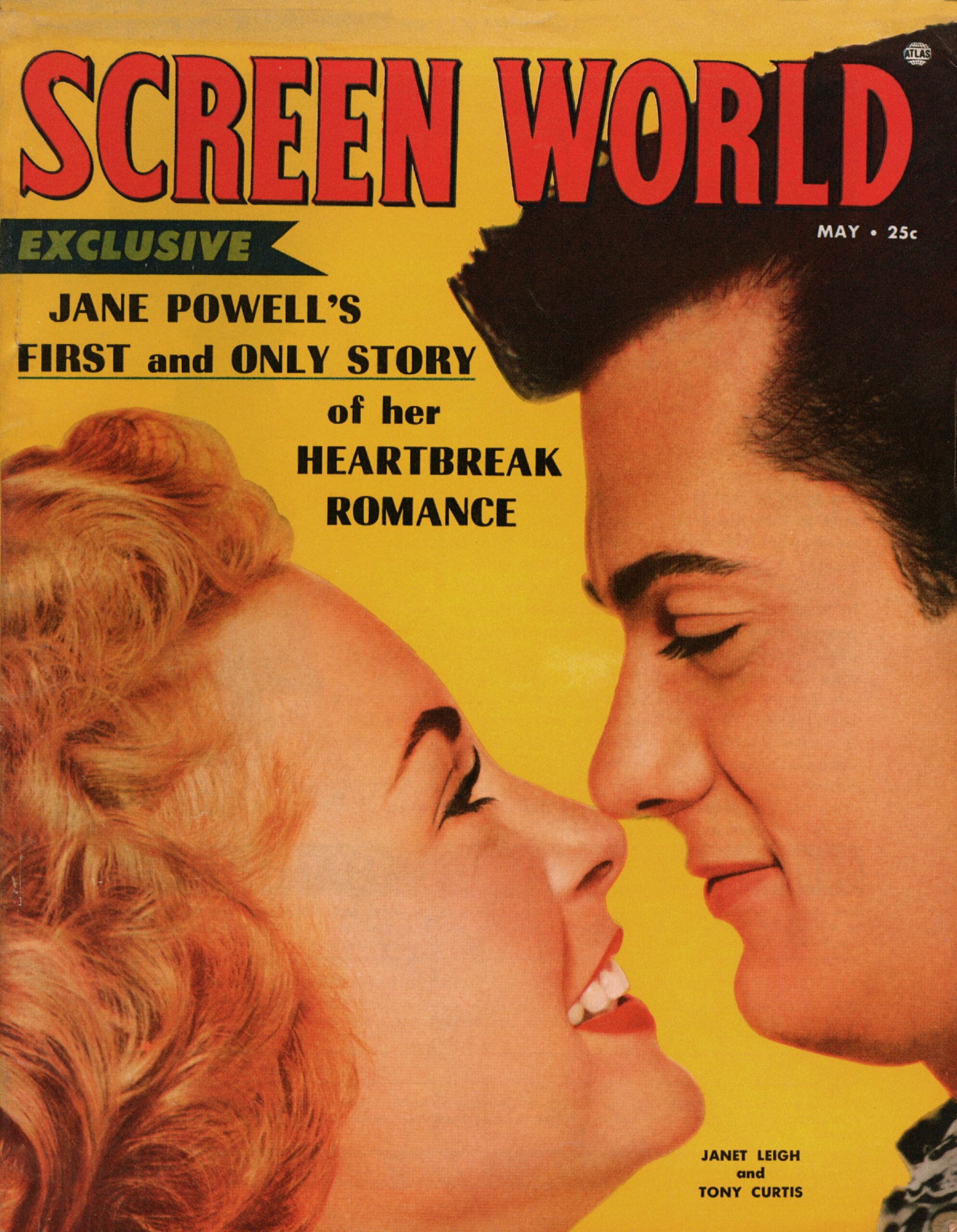
The Luigi Chiarini Library owns an extensive collection of U.S. magazines known as “fan magazines”, which represents a unique case in Italy and a rare one abroad. It is made up of more than seven hundred issues spanning the entire period of publication of this genre, from the 1910s to the 1960s. For a long time, they were underappreciated due to their popular nature and were regarded as minor products within the publishing output on cinema, but today they are being rediscovered as valuable evidence of the interrelationships between the star system and the culture of the time.
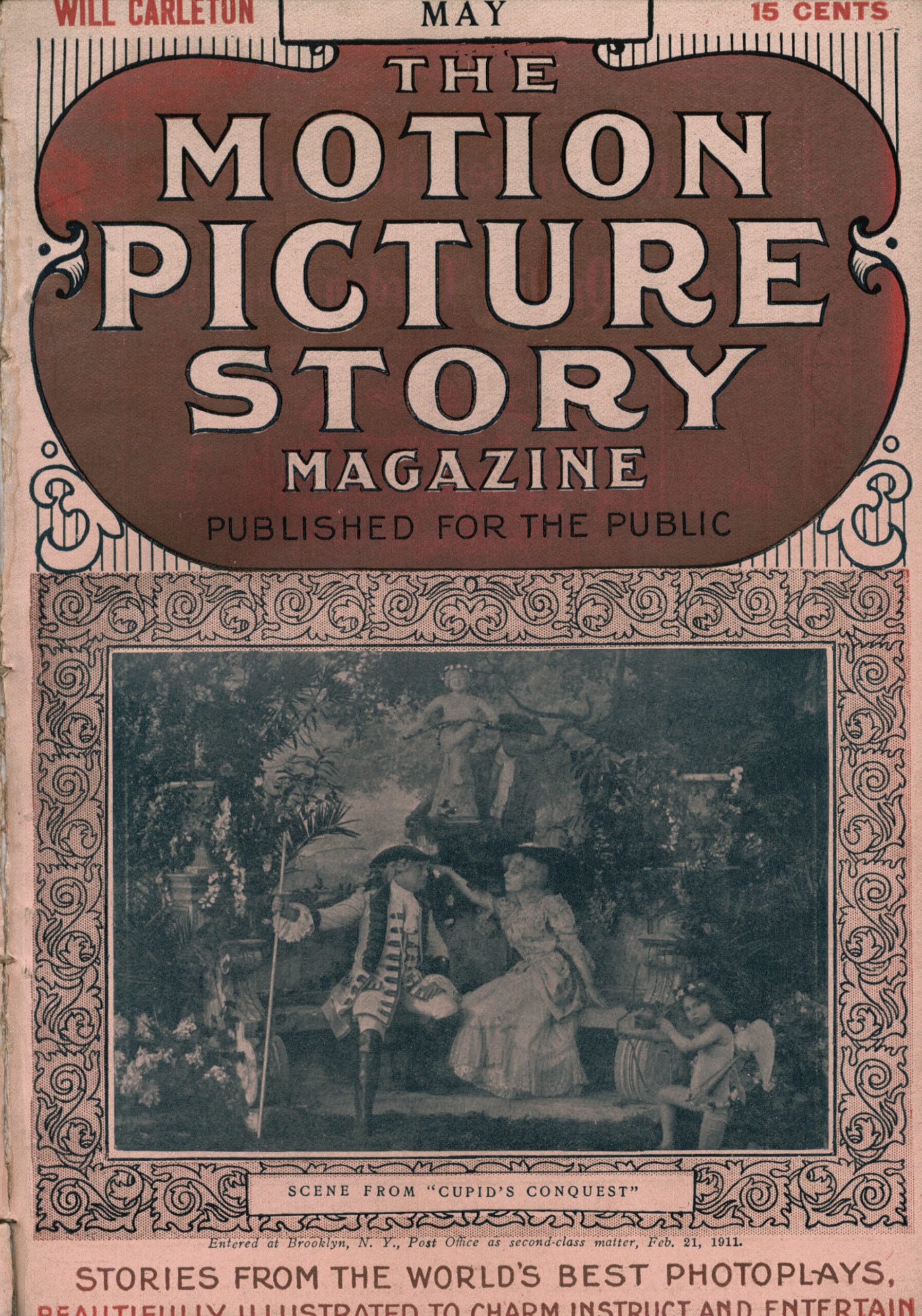
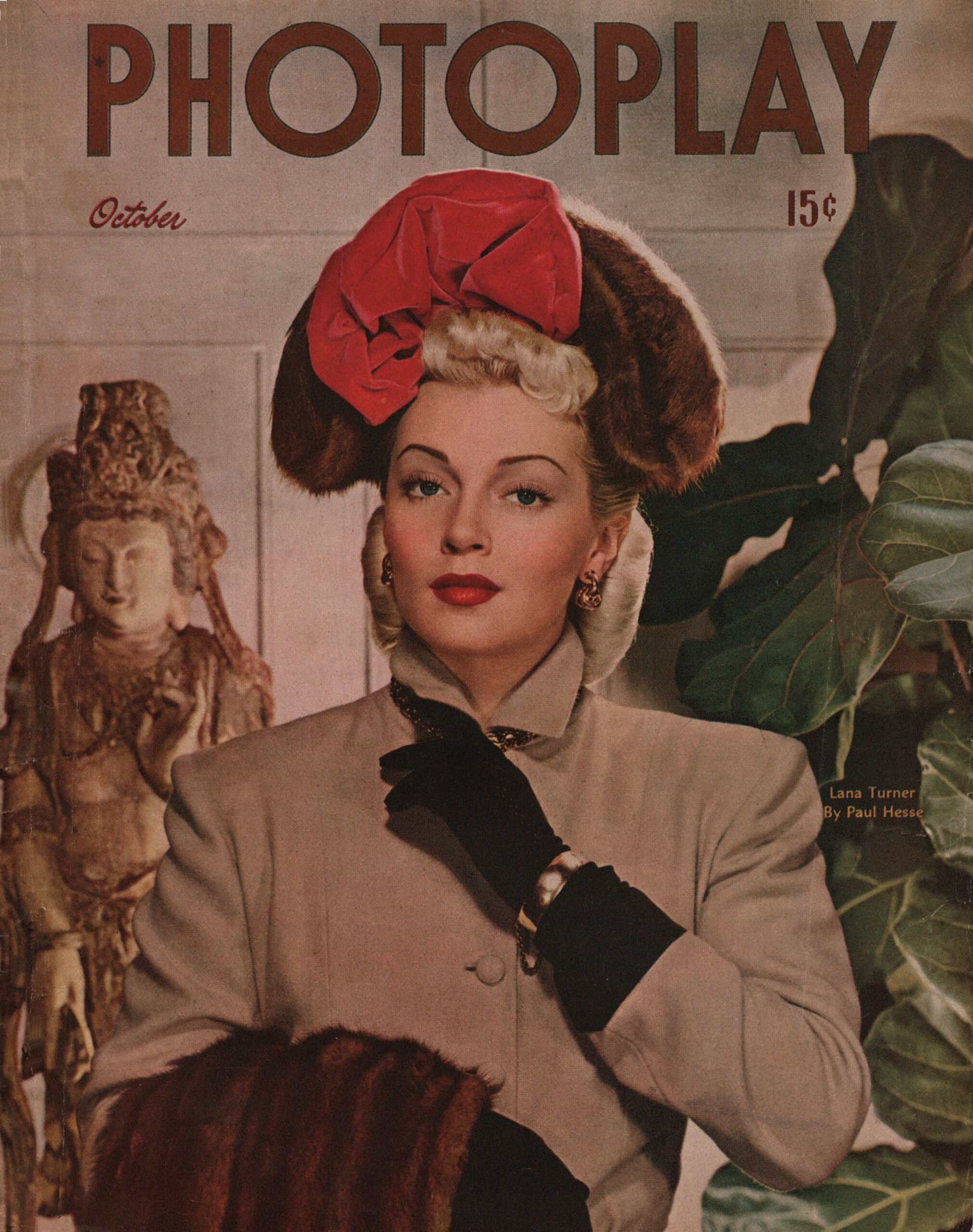
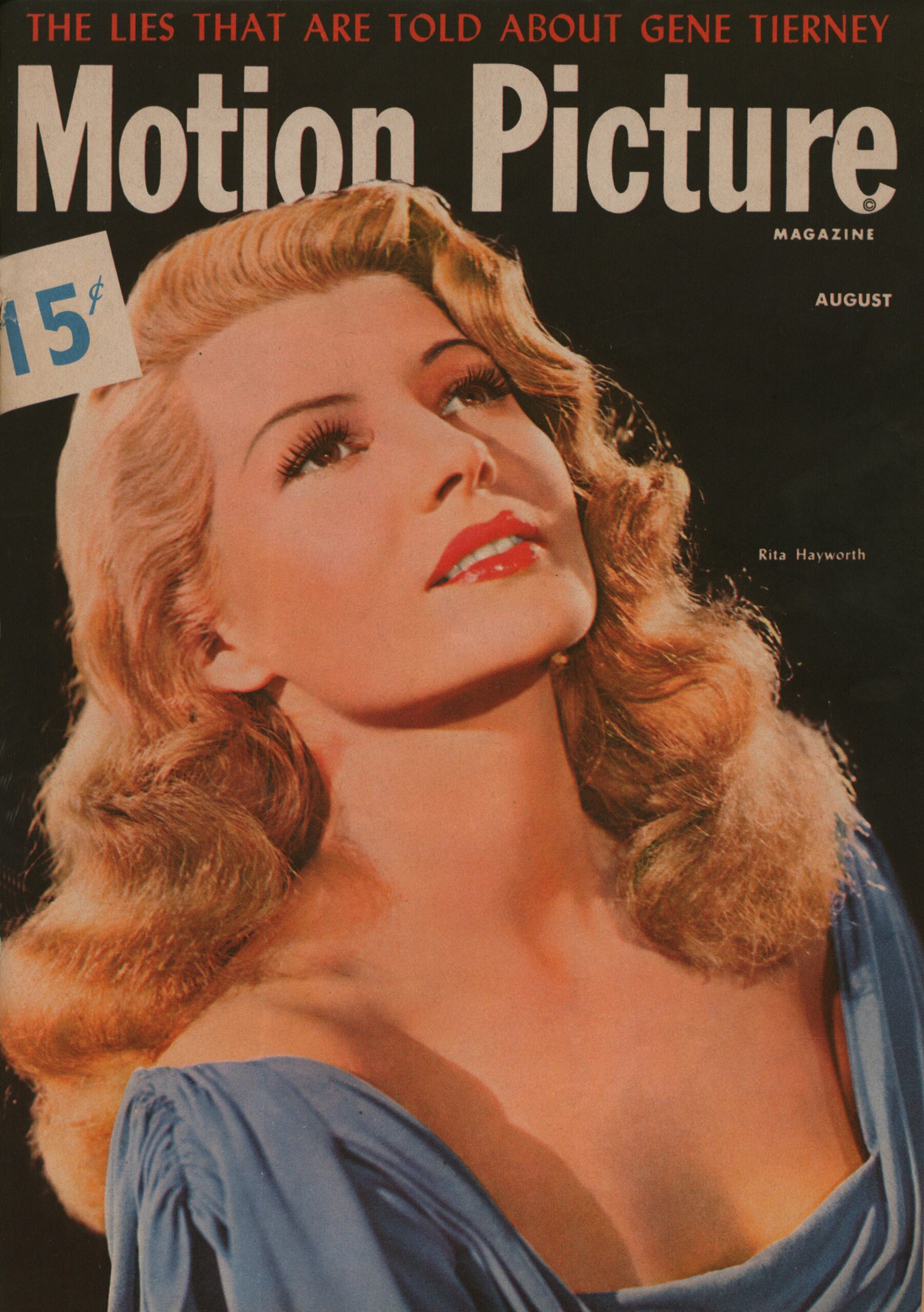
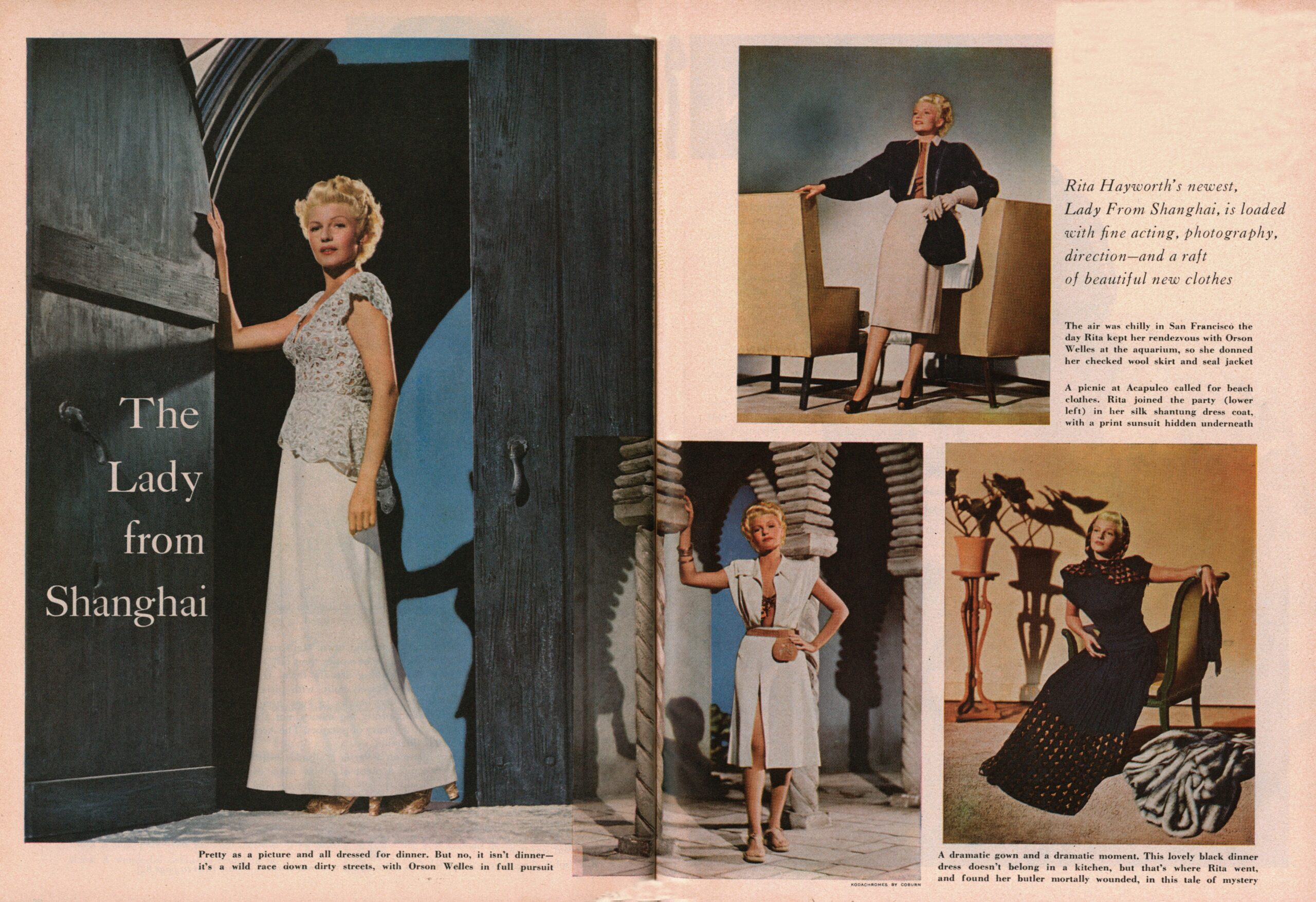
Fan magazines can be described as film- and entertainment-related periodicals mostly targeted at the female audience of movie theater-goers. The genre was born in 1911 with The Motion Picture Story Magazine, followed later in the same year by Photoplay. Compared to other magazines which had already been known since the late 19th century, their main innovation lay in the extensive space they dedicated on upcoming films: this included synopses that were presented as short stories, as well as promotional articles, both accompanied by stills from the films. This was a brand-new editorial choice, intended to please non-specialist readers who were film buffs.
Although they emerged at the same time as the Hollywood star system, fan magazines were not just a consequence, but played an active role in its rise and growth. Through their focus on stars and their public personas, they were instrumental in capturing and influencing popular lifestyles and culture of their time. Production companies exploited these magazines as strategic tools to promote actresses, actors and films, meeting the readers’ desire to know details about the daily lives of celebrities and the most common aspects of American culture. These magazines played a key role in building an integrated promotion system: readers demanded details about celebrities’ personal lives and tastes, and production companies tailored such information in order to achieve reliable box-office successes.
Fan magazines were instrumental in creating such a powerful collective imagination that they sustained the entire industry of desire. Thanks to them, the Hollywood star system was strengthened and reached its golden age: American cinema became a mass phenomenon, a staple topic in social circles, and a key feature of the country’s cultural landscape. Despite their close relationship with the film industry, fan magazines also developed critique sections, expanding their reach and diversifying their audience.
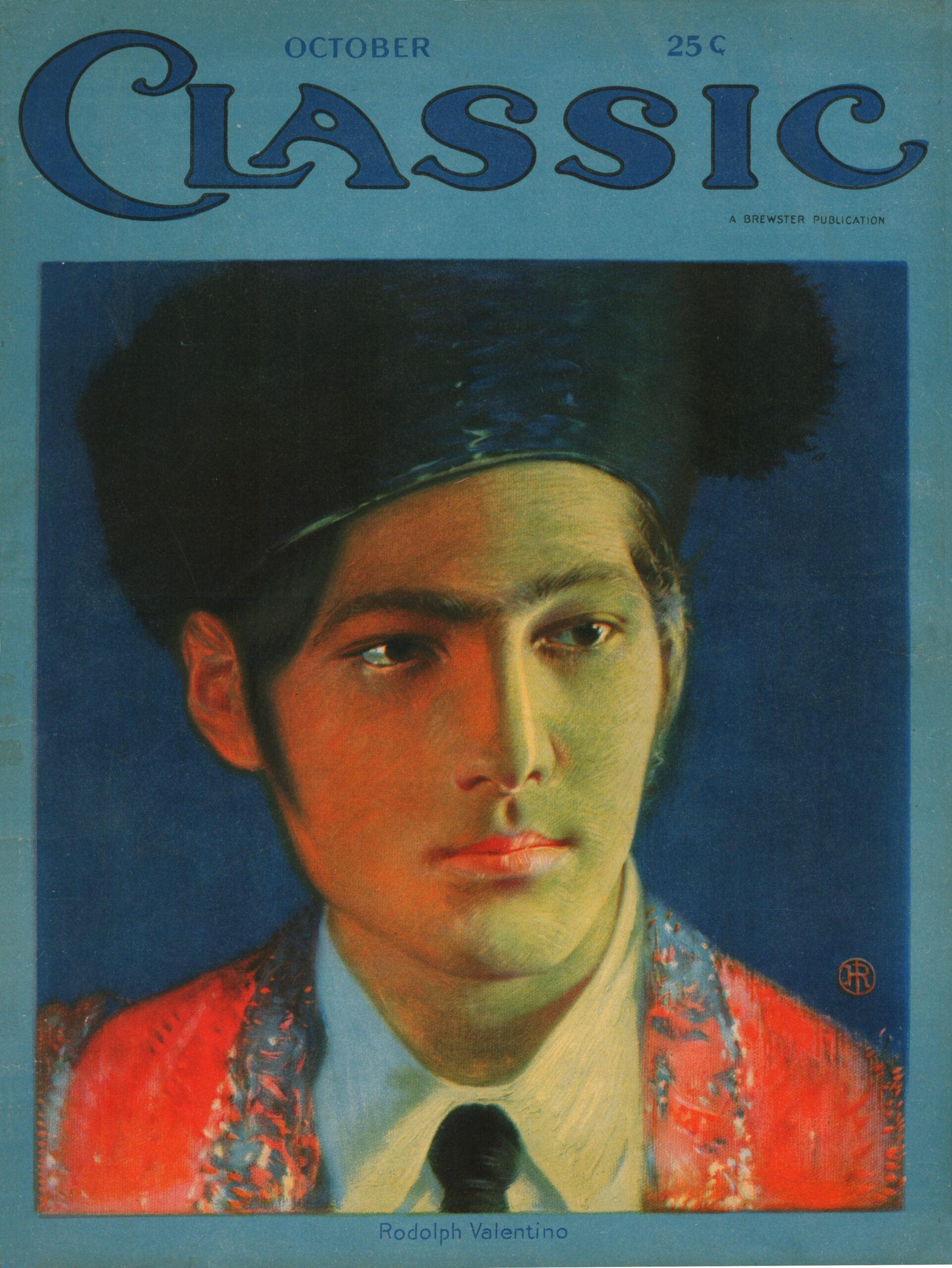
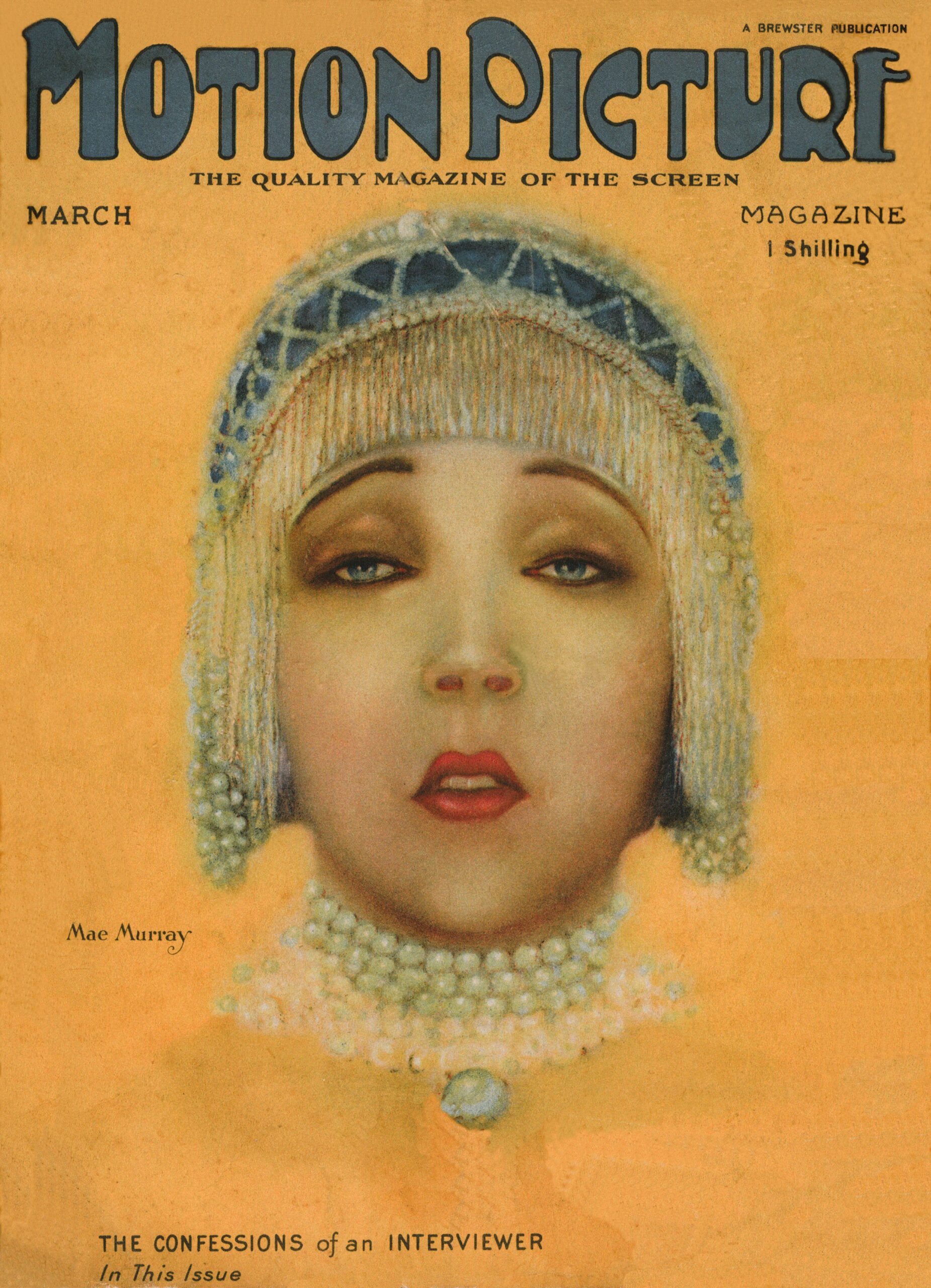
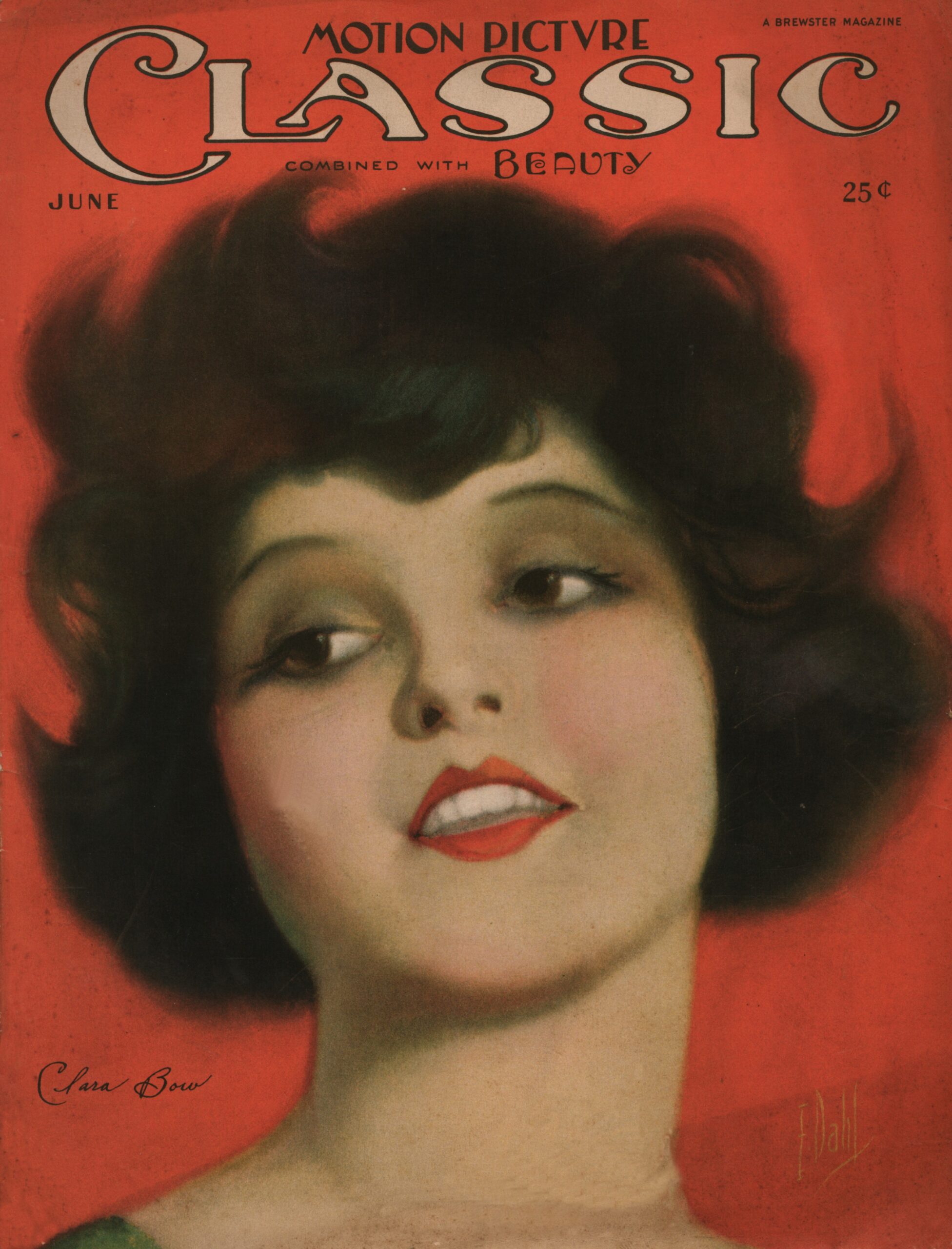
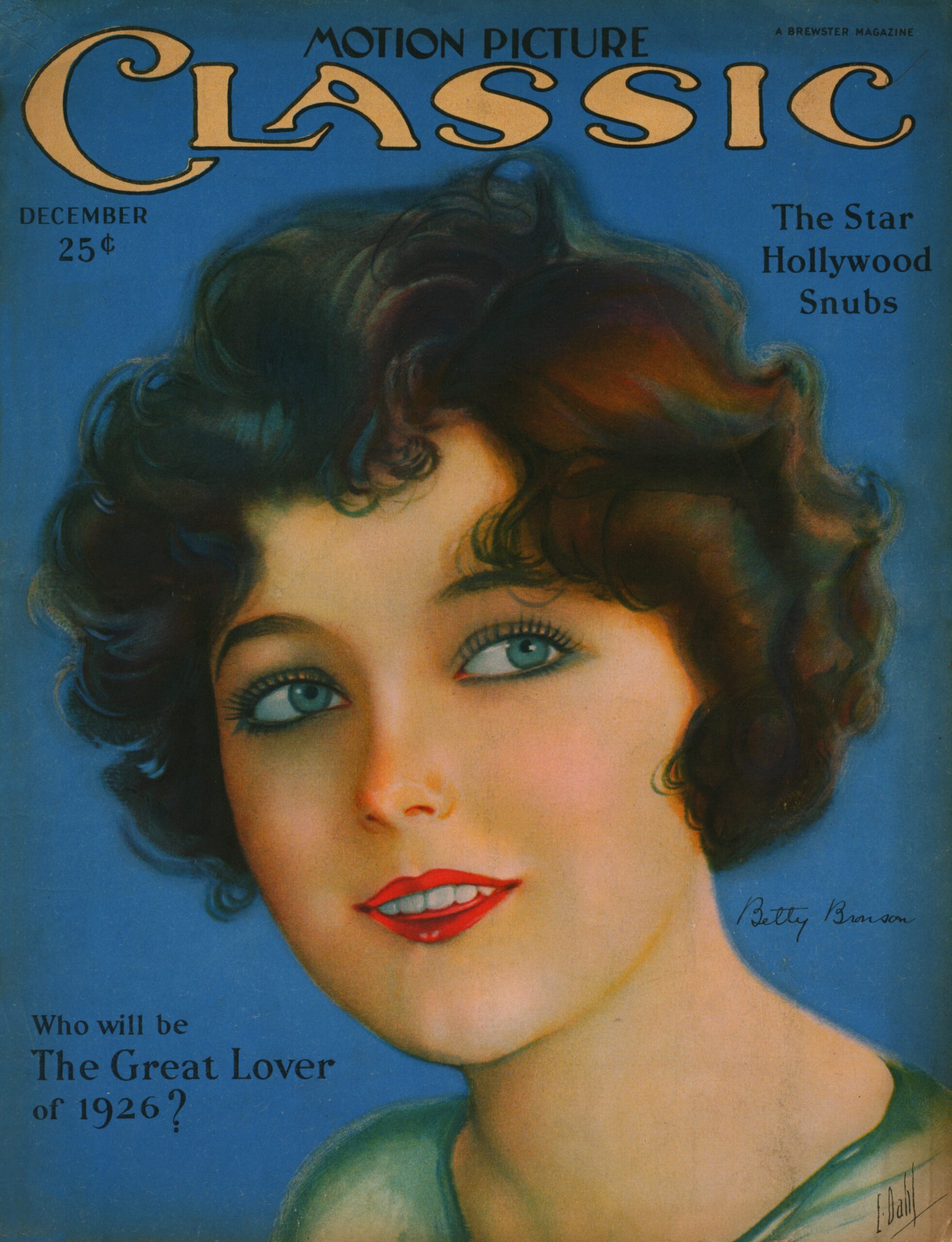
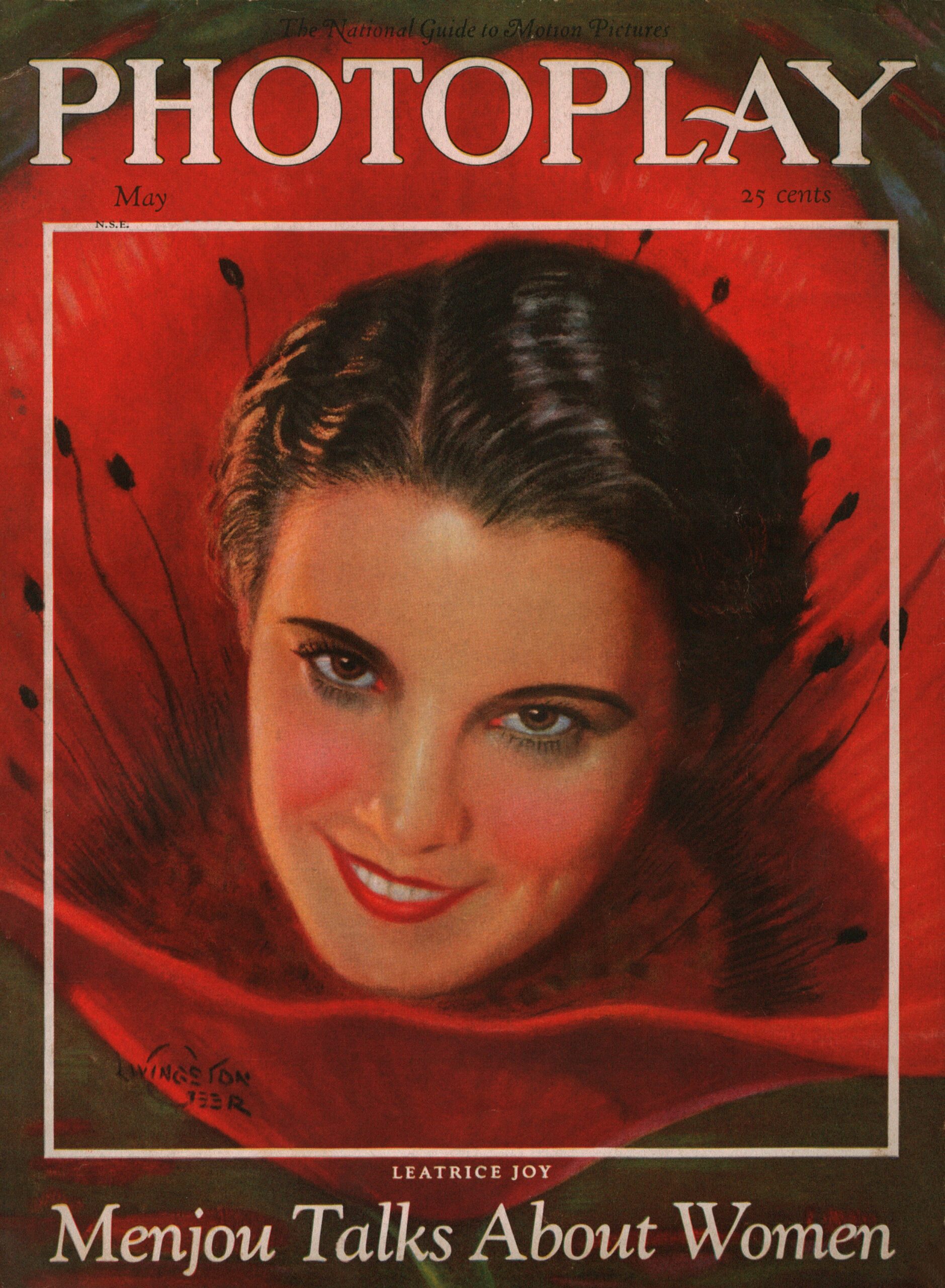
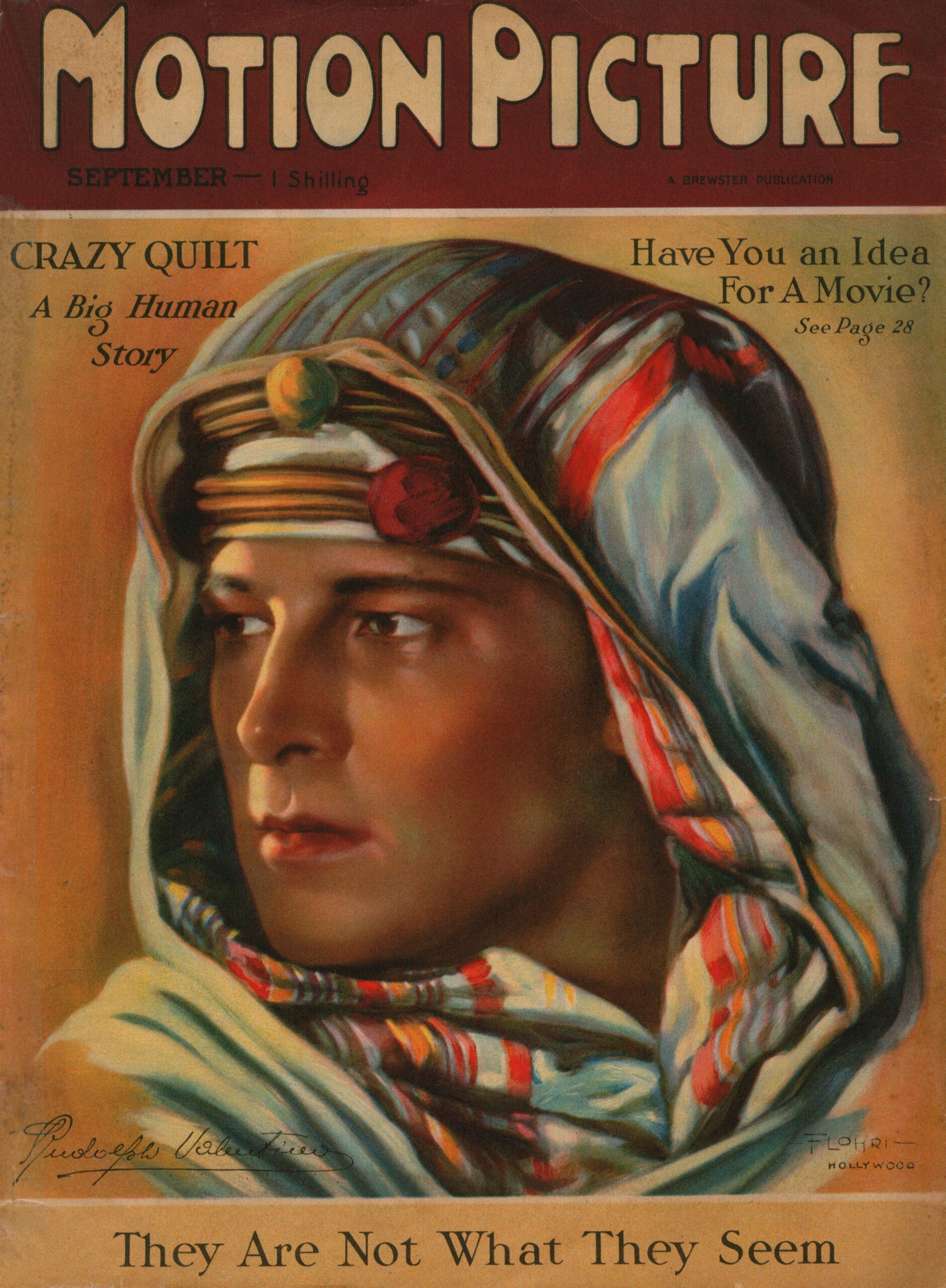
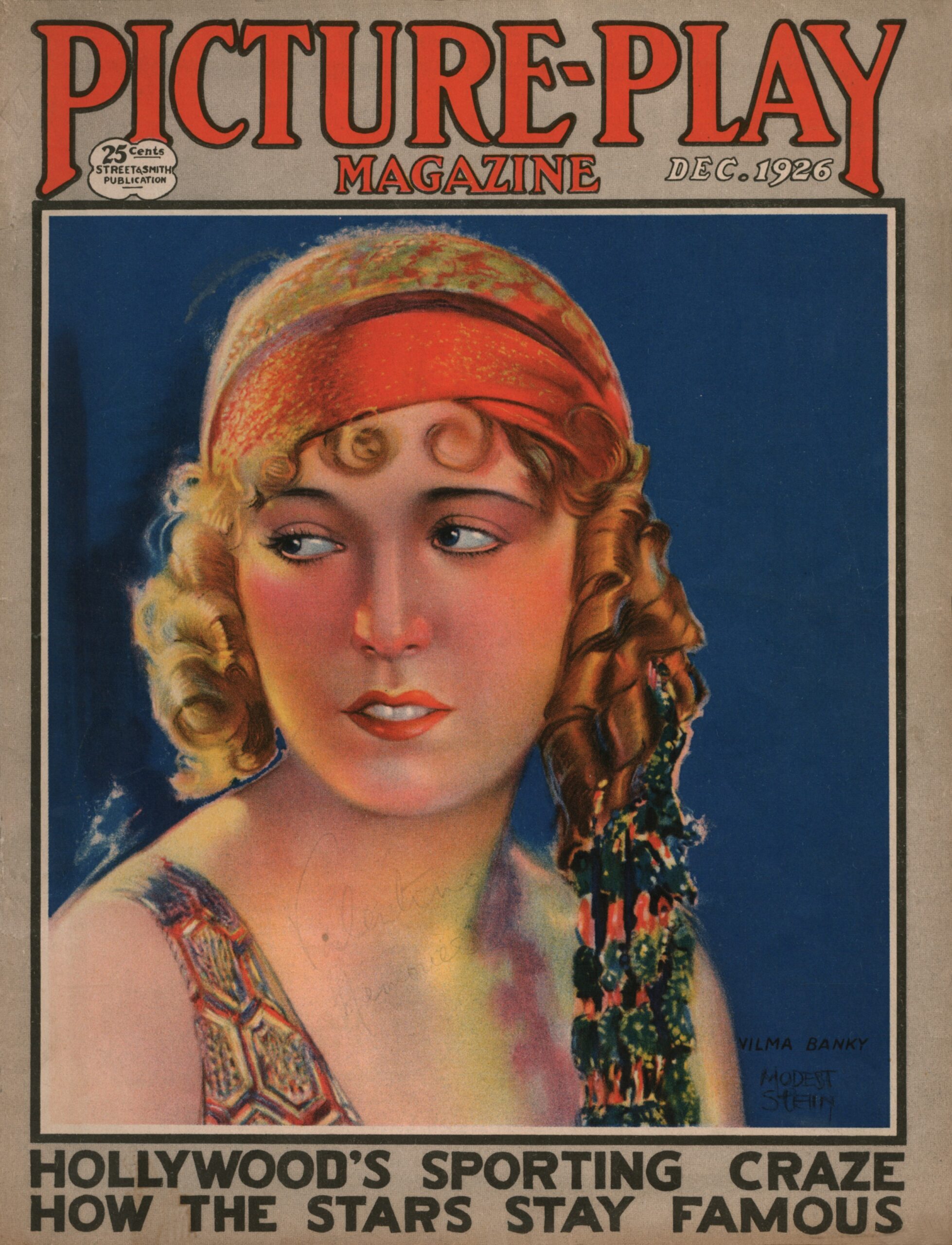
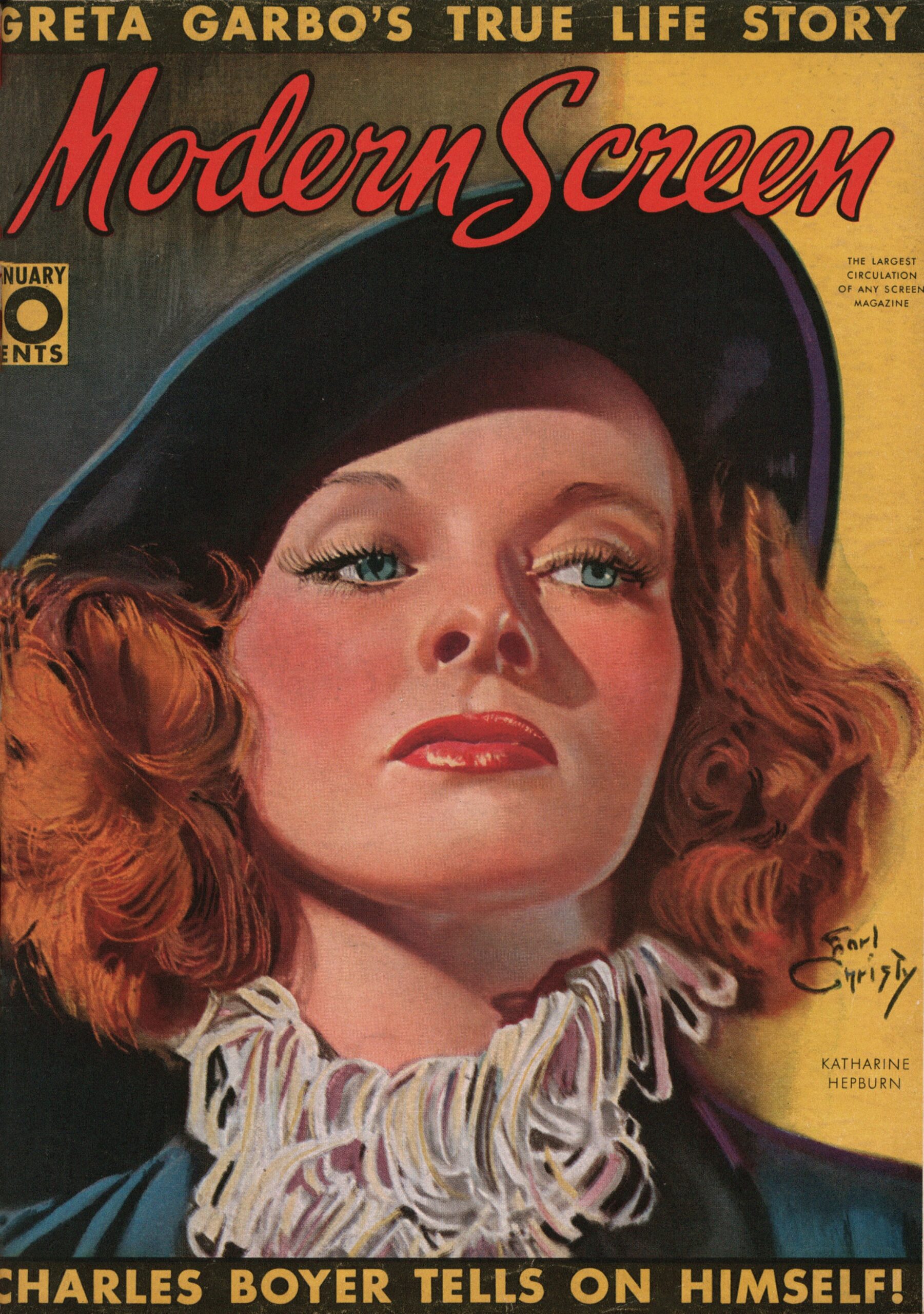
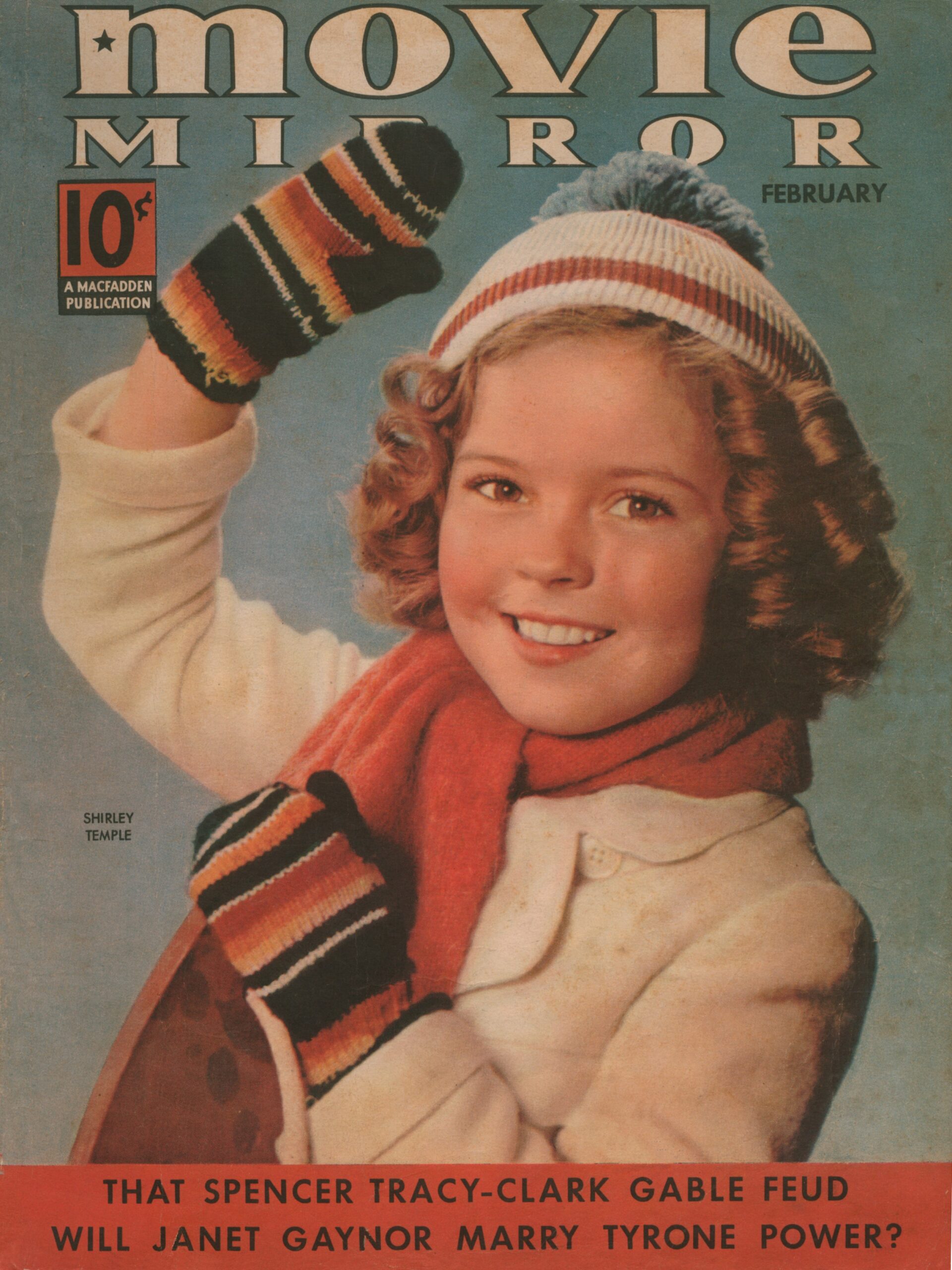
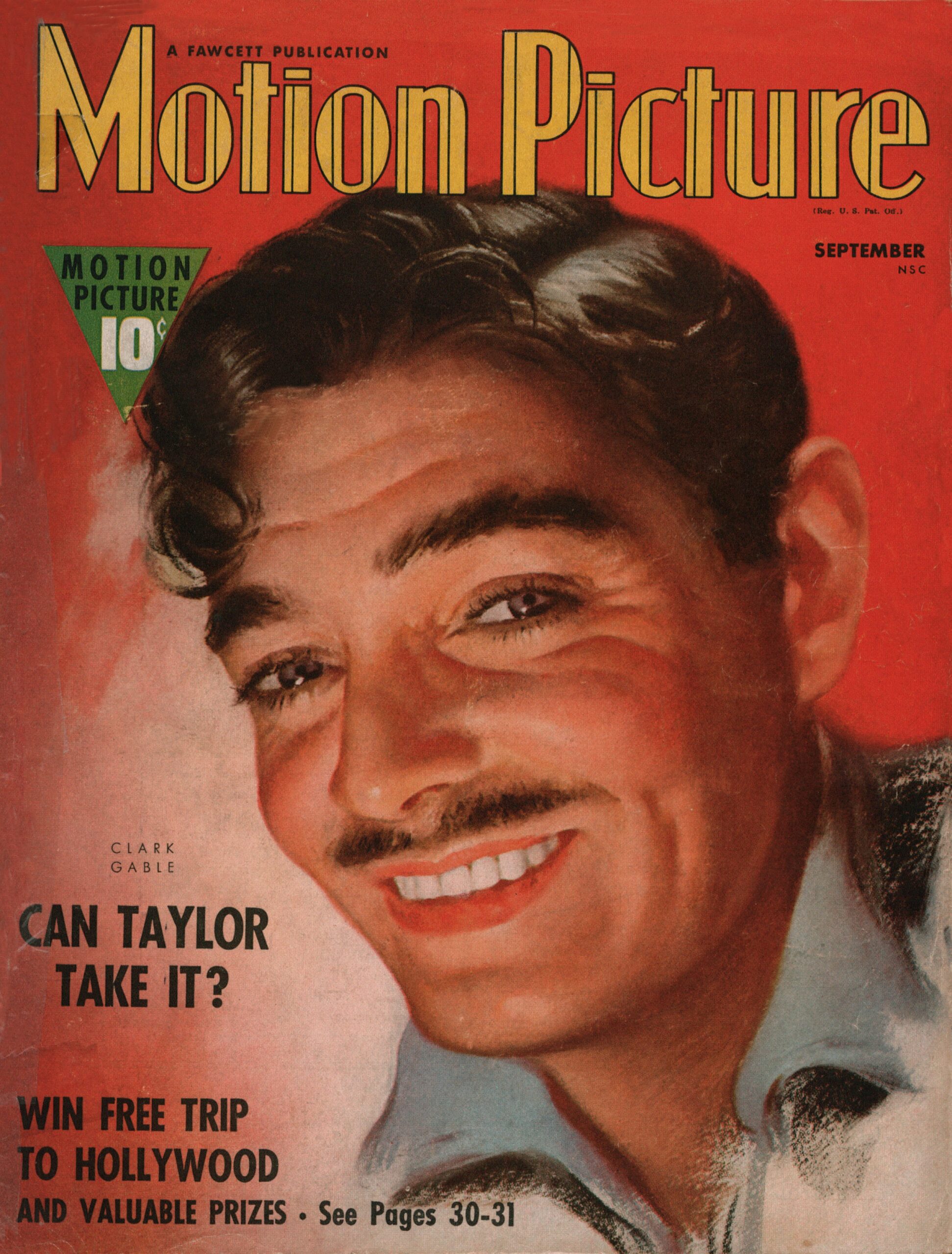
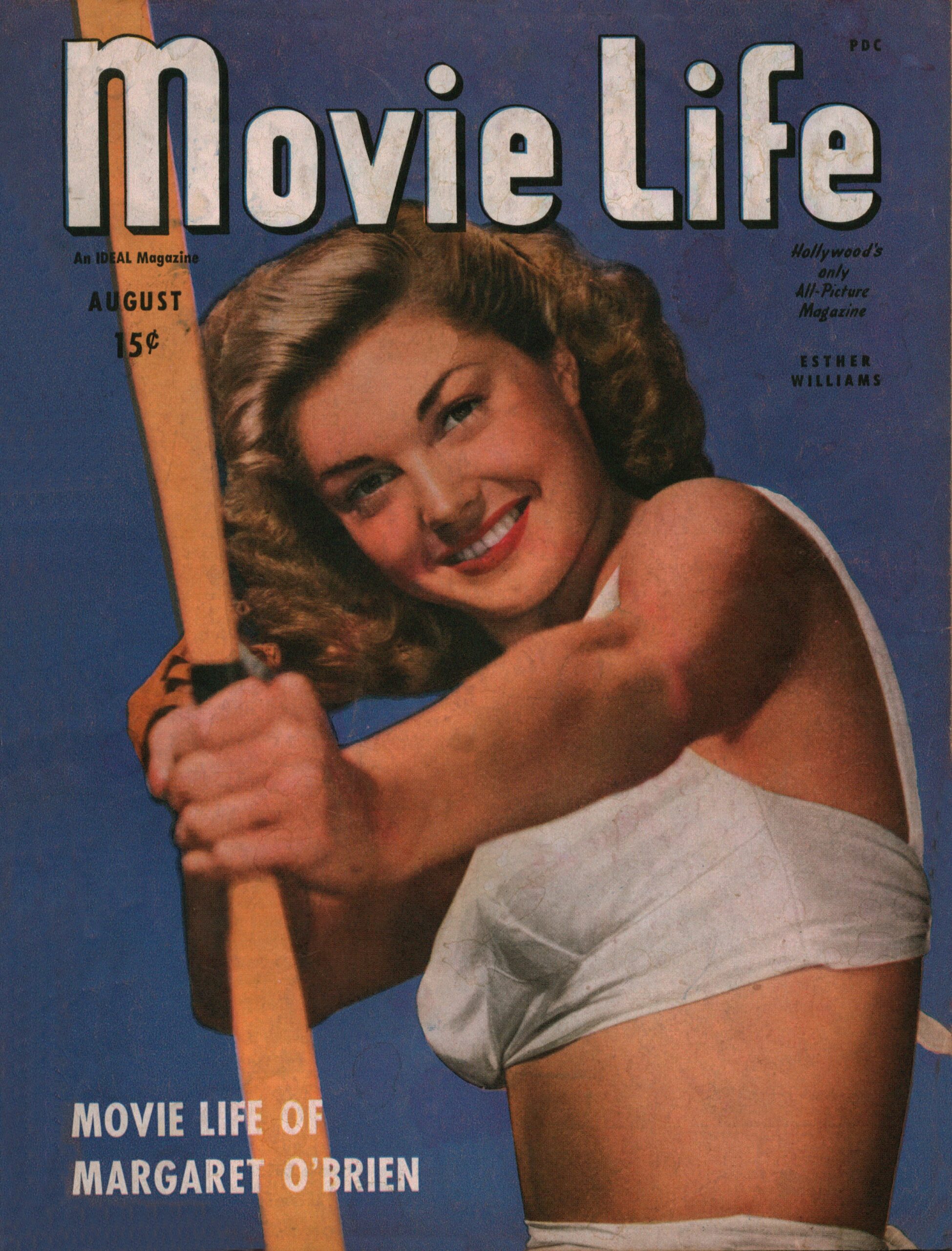
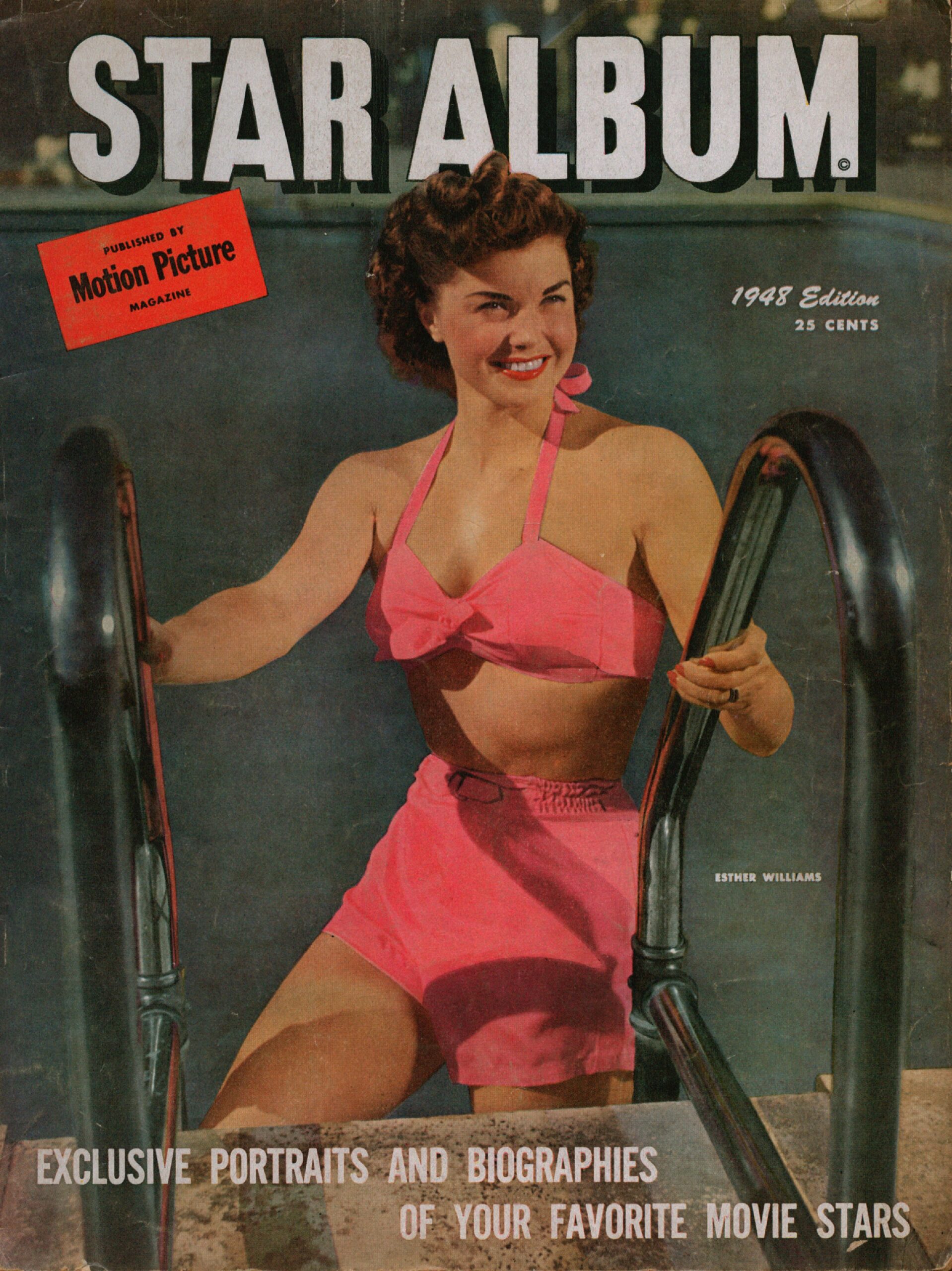
One of the most interesting aspects about fan magazines is the transformation their covers underwent: from the illustrations of the 1920s – by artists such as Alberto Vargas and Marland Stone – to the 1930s, when they mostly featured color photographs, which captured the movie stars with revolutionary sharpness. This shift reflected both the technological innovations of that age and Hollywood’s new promotional strategies.
With the rise of television in the 1950s, the significance of fan magazines gradually waned, but their cultural legacy will remain. Through their articles, covers and dedicated sections, these magazines built a bridge between film stars and the audience, turning actors and actresses into immortal legends and ultimately helping to shape a collective imagination based on certain ideals of beauty, success and desire.
We also suggest reading Alessandra Ofelia Catanea’s essay Dove nascono le stelle and Laura Pompei and Stefania Tuveri’s Schedatura, both of which are included in the publication Fan Magazines della Biblioteca Luigi Chiarini, published by CSC and available for purchase in our bookshop.
Any reproduction, even partial, of the above images in any medium is not allowed.